

What Is An Ergonomic Chair And How Do I Select My Ideal Seat?
- Updated:
About the author:

John Karle

“Create Healthy Workspaces”
In South Africa’s busy marketplace, a variety of ergonomic office chairs are available, promising to change your wellbeing and work experience. But what is an ergonomic chair, and how do you choose the right one for you?
Definition:
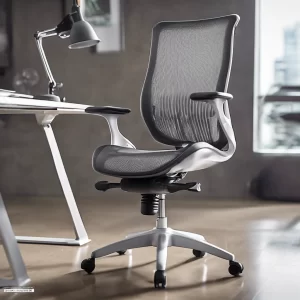
An ergonomic office chair is designed to support a healthy posture and prevent back, neck, and shoulder strain during long periods of sitting. To achieve this, the chair must be highly adjustable so that it adapts to your unique body shape.
1. What does "Ergonomic" actually mean?
Office ergonomics refers to designing office equipment to meet users’ needs effectively. This approach ensures that chairs, desks, monitors, and keyboards are designed and set up to reduce the risk of fatigue, stress, or injury. Sometimes called human factors engineering, office ergonomics aims to improve workplace conditions for better comfort, productivity and wellbeing. Best practices for ergonomics in the workplace.
Ergonomic office chairs are designed to provide:
Comfort: Whether you are working, gaming or simply relaxing, the cushioning, swivel mechanism, armrests and other materials used in ergonomic chairs ensure you remain comfortable throughout the day.
Support: These chairs can be adjusted to cradle your body and provide support to key areas, such as your lumbar region, shoulders and neck.
Posture Perfection: Maintaining proper posture to reduce the risk of musculoskeletal issues.
Enhanced Wellbeing: By minimising discomfort and promoting good posture, ergonomic chairs contribute to your overall health and wellbeing.
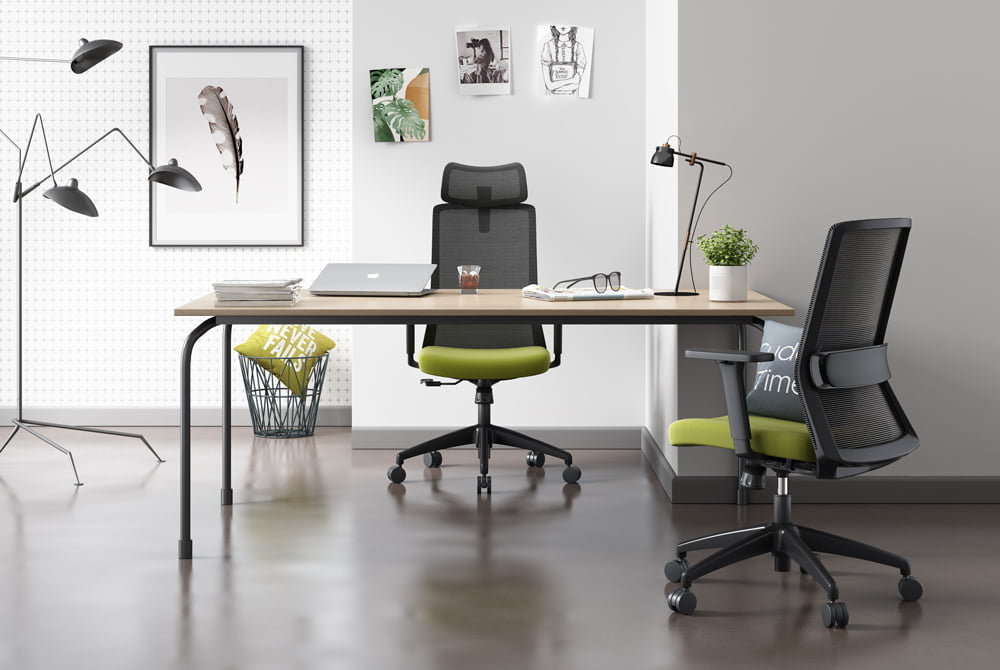

“Computers and related products, such as computer desks and chairs, are often the focus of ergonomic design. Many people use these products for extended periods during their normal working day. If they are poorly designed or incorrectly adjusted, they can have a detrimental impact on the person using them.”
The consequences of sitting on the wrong chair.
2. What are the Benefits of an Ergonomic Chair?
An ergonomic office chair is designed to support your body properly while you work. Ergonomic chairs are adjustable and engineered to accommodate different body shapes, working styles and sitting durations. Key benefits include:
a. Improved Posture
One of the biggest benefits of an ergonomic office chair is better posture. Features such as adjustable lumbar support, seat height, backrest angle and armrests help maintain the natural curves of your spine. This reduces slouching and promotes a healthier sitting position throughout the day.
b. Reduced Back Pain
Back pain is one of the most common workplace complaints. Ergonomic chairs support the lower back and encourage proper spinal alignment, helping to reduce pressure on the lumbar discs and surrounding muscles. This can significantly decrease discomfort during long periods of sitting.
c. Greater Comfort Throughout the Day
Comfort directly affects how long you can remain productive. Ergonomic chairs allow you to customise the chair to your body, reducing pressure points and improving overall comfort. Features such as moulded foam, adjustable seat depth and breathable materials contribute to long-term comfort.
d. Reduced Neck and Shoulder Strain
Poorly positioned armrests and inadequate back support can lead to tension in the neck, shoulders and upper back. Ergonomic chairs help keep your shoulders relaxed and your arms properly supported, reducing muscle fatigue and strain.
e. Improved Circulation
A chair that fits correctly helps promote healthy blood flow. Adjustable seat height and seat depth allow your feet to rest flat on the floor while avoiding excessive pressure behind the knees. Better circulation can reduce leg fatigue and discomfort during prolonged sitting.
f. Increased Productivity
When you are comfortable and free from pain, it is easier to focus on your work. Research has shown that ergonomic interventions can improve worker comfort and productivity by reducing physical distractions and fatigue.
g. Lower Risk of Musculoskeletal Disorders
Long periods of poor sitting posture can contribute to musculoskeletal disorders affecting the back, neck, shoulders and wrists. Ergonomic chairs are designed to minimise these risks by supporting neutral body postures and encouraging movement throughout the day.
h. Better Support for Long Hours of Sitting
Many office workers spend six to ten hours a day seated. Ergonomic chairs that encourage dynamic sitting are designed for extended use, providing support that adapts to your movements and maintains comfort throughout the working day.
i. Enhanced Employee Wellbeing
Comfortable employees tend to experience lower levels of fatigue and discomfort. Providing ergonomic seating demonstrates a commitment to employee wellbeing and can contribute to less presenteeism, improved job satisfaction and workplace morale.
j. Long-Term Health Benefits
An ergonomic chair is an investment in long-term health. By supporting good posture, reducing physical strain and encouraging healthy sitting habits, ergonomic seating can help prevent chronic discomfort and reduce the likelihood of workplace-related injuries over time.
3. How does 'Ergonomics' relate to sitting and your office chair?
At the beginning of the last century, people realised that the wellbeing and efficiency of employees could be improved, and fatigue reduced, if workers were allowed to sit down while performing their tasks. This contributed to the study of ergonomics and a focus on designing chairs for work. According to one international study, office workers spend 75% of their waking hours sitting down, so it’s little wonder that sedentary workers experience all sorts of health ailments! How to Protect Your Health in the Age of the Office Chair.
Unfortunately, our bodies are not designed for sitting, and doing so for long periods can have a negative impact on our long-term health and wellbeing.
According to Better Health (Vic), the most common health-related issues caused by sitting for extended periods include:

A chair becomes ergonomic only when it specifically suits a worker’s size (body dimensions), their particular workstation, and the tasks that must be performed – CCOHS
4. How does Ergonomics effect the selection of your office chair?
Ergonomic chairs sold in South Africa are designed to suit a range of people. However, there is no guarantee that they will suit any one person in particular, in other words, there is no, and never will be, a one-size-fits-all. My Journey to Finding the Best Office Task Chair: The Problem with One-Size-Fits-All
a. Your body shape and size
We are not all the same height, we do not weigh the same, our arm and leg lengths are different, and so the list goes on. With this in mind, purchasing a chair for yourself becomes a very personal thing as the chair needs to meet your physical requirements. As an example, if you are “big and tall”, a heavy duty chair may be more suitable for you. Best Office Chairs for Tall People – A Comprehensive Guide. Conversely, people with a petite build have different requirements when selecting an ergonomic office chair. Choosing the Right Office Chair for Short People
Not only must the chair match your physical size and shape, but it should also take into account any special requirements that you may have. The Ultimate Guide to Office Chair Weight Limits.
For example, are you suffering from lower back pain, muscle strains, tendonitis, etc? Does the chair suit these particular needs? Do you require a heavy-duty or an Orthopedic office chair?

b. Workstation setup
Your workstation setup is critical when selecting a chair.
- How high is the workstation?
- Can the chair be adjusted accordingly?
- Is there sufficient space below the desk or table to accommodate your legs?
- Can you place for feet in a comfortable position?
- Is your movement restricted?
- What is the correct height for my desk, computer monitor and office chair?
c. The Task you Perform
What work do you perform at your workstation? For example, will the chair be used in an office, laboratory or factory, home office or for gaming? Will it be used by a single person or will there be multiple users? What desk or table will be used? Do you have to perform physically demanding tasks like lifting objects at your workstation?
Only once you understand your body shape and size, workstation setup, and the task that you need to perform, can you select the correct office chair.
Ergonomic office chairs in South Africa and elsewhere, are adjustable and are designed to accommodate most people, viz. 90% of the population. The shortest and tallest 5% of people may need custom-made chairs. When it comes to chairs, there is no one-size-fits-all. 8 Common Mistakes when Setting Up an Ergonomic Chair.
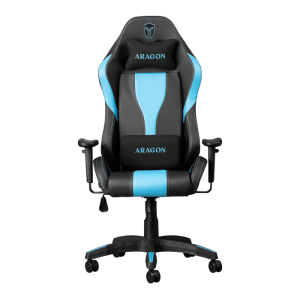
Gaming Chair or Office Chair?
Recently, gaming chairs have become very popular, with many people regarding them as the "Holy Grail". But is this the case? Is a gaming chair really better than an ergonomic office chair? ChairsFX presents an in-depth analysis and conclude that:
".....Dynamic neutral sitting remains the ergonomic standard for healthy computing over long hours. To support this method, ergonomic chairs and gaming chairs are both great options."
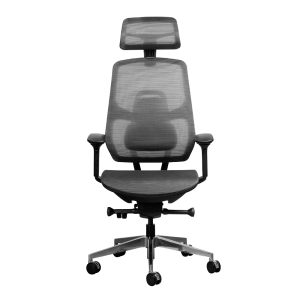
5. Adjustment features that should be found on ergonomic office chairs
- Controls that are easy to adjust from a sitting position. This is especially important if different people use the same chair, for example hot-desking or shift work on an assembly line. The same applies if you use a common chair for different applications, for example, using your computer chair to also operate your sewing machine at home. 10 important features of a good home office chair.
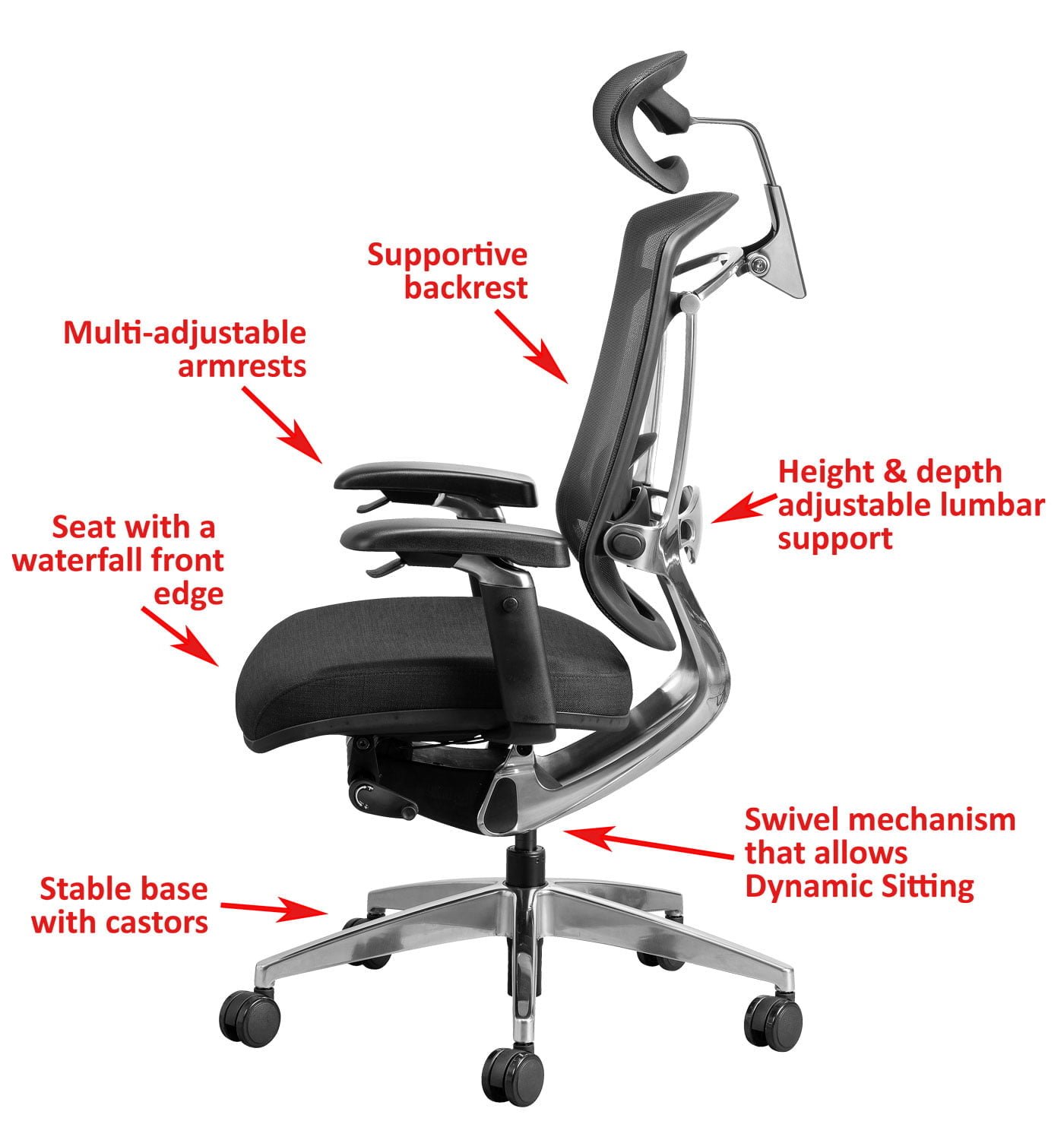
- A height adjustable seat with a front edge that curves towards the floor.
- Breathable, non-slippery fabric on the seat. What is the best upholstery fabric for office chairs?
- A supportive backrest. Don’t buy a mesh office chair until you read this!
- A backrest that supports the lumbar region of your back. Height adjustable backrests and/or adjustable lumbar supports are ideal. Why do I need a chair with adjustable lumbar support?
- A seat that does not put pressure on the back of thighs.
- A stable 5-star base.
- Wheels or castors suitable for the type of flooring. Hard rimmed castors for carpets and soft/rubber rimmed ones for tiles, concrete or wooden floors.
- A swivel mechanism that offers Dynamic Sitting is the preferred option. What is the difference between office chair mechanisms?
- Adjustable armrests that do not interfere with free movements within your work area. What are the best armrests for my office chair?
Remember: An office chair becomes ergonomic only when it specifically suits a person’s size (body dimensions), their particular workstation, and the tasks that they have to perform.
Use our CHAIR SELECTOR to help you choose an ergonomic chair!
6. Frequently Asked Questions (FAQ's)
a. What actually makes a chair "ergonomic"?
A chair is only ergonomic if it can be adjusted to fit your specific body shape, your unique workstation layout, and the tasks you perform without resulting in back, neck or shoulder strain.
b. Is there a "one-size-fits-all" ergonomic chair?
No. Everyone has a different height, weight, and body shape. Standard ergonomic chairs accommodate about 90% of people. Anyone with specific back-related issues or individuals with a petite or "big and tall" build may require a specialised seating solution.
c. What essential features should I look for?
Look for a stable 5-star base, a height-adjustable seat with a curved front edge, adjustable lumbar support, a mechanism that enables dynamic sitting, and fully adjustable armrests.
d. Are gaming chairs better than office chairs?
Neither is inherently better. Both ergonomic office chairs and gaming chairs are excellent options for long hours, provided they support a healthy posture, allow dynamic sitting, and can be adjusted to suit your body shape.
e. What if I suffer from severe back pain or a medical condition?
Get professional help to set up your chair. An incorrectly adjusted seat can aggravate injuries, whereas a properly fitted orthopedic chair can actively help with pain relief.
Conclusion
An ergonomic chair is designed to provide comfort and support during long hours of work, helping to improve posture and reduce the risk of discomfort or injury. These chairs come with various features specifically created for people who spend a lot of time at their desks.
To find the best ergonomic office chair from the many options available in South Africa, it’s important to understand office ergonomics. The chair should have adjustable features that fit your workspace. Remember, you can only benefit from a high-quality chair when it is properly adjusted to match your body shape and ergonomic needs.

Get professional help to setup your chair if you have an underlying medical condition. An incorrectly adjusted chair may aggravate the condition, or cause additional complications. Contact us for advice.
By the same author:


What is the difference between office chair mechanisms?
Office Chair mechanisms are regarded as the “heart” of an office chair.

Office Furniture Suppliers for Ergonomic Solutions
Choosing the right office furniture suppliers in South Africa is crucial for creating a productive, comfortable, and stylish workspace.
How to Choose the Best Office Chair: 6 Questions to Ask Before You Buy
Trying to choose an office chair for yourself can be confusing. Let us make the process a whole lot simpler.