

How Do I Know If I Need a New Office Chair? The 7 Signs
- Updated:
About the author:

Mike Karle

“Create Healthy Workspaces”
Your office chair is more than a seat, it’s the foundation for your posture, comfort and focus at work. Unfortunately, most people only think about replacing it when it’s visibly broken. The problem is that a failing chair often gives subtle warnings that don't appear suddenly, they creep up over time. If you’re asking, “how do I know if I need a new office chair?”, this guide will help you recognise the 7 signs early, so you can protect your health, stay comfortable, and remain productive at work.
Why Knowing When to Replace Your Office Chair Matters
A worn or poorly designed office chair doesn’t just feel uncomfortable; it silently affects your body. One of the first signs is when you start noticing persistent discomfort during or after long hours of sitting. Cushions compress, lumbar support weakens, and mechanisms no longer function correctly or simply wear out. Moreover, any creaking noises or difficulty adjusting the chair can indicate that it's time for a replacement. Over time, your muscles and joints compensate without you noticing, leading to fatigue, stiffness, and very often, back and shoulder pain.
Catching the signs early helps you avoid long-term discomfort and prevents your chair from slowly draining your energy at work.

How Do I Know If I Need a New Office Chair?
Protect your health, stay comfortable, and remain productive at work. Here are the 7 signs that your office chair is due for replacement.
1. Persistent Pain While Sitting
Pain is the clearest signal that your chair is no longer supporting you correctly.
Signs to watch out for include:
- Lower back stiffness or ache
- Shoulder or neck tension
- Tingling or numbness in your arms or legs.
If the discomfort eases when you leave your desk, your chair may be the culprit. A good ergonomic office chair supports your spine’s natural curve and reduces strain — it shouldn’t fight against your body.
2. Dropping Productivity Due to Discomfort
A chair that doesn’t support you isn’t just uncomfortable; it’s a productivity killer.
If you notice that you:
- Take frequent breaks to relieve tension
- Struggle to focus on tasks
- Feel unusually tired after desk work.
…it’s likely your chair is forcing your muscles to work harder, leaving you fatigued before the day is over.
3. Worn, Loose, or Unstable Chair Components
Physical wear is a warning you can’t ignore. Check for:
- Wobbling, leaning, or creaking
- Loose armrests, broken castors or levers
- Sinking gas lifter
- Mechanism adjustment levers and functions that are loose or longer work correctly.
An unstable chair affects posture, comfort, and safety. Repairs, specifically to the mechanism, are usually temporary, so replacement is often the wiser long-term solution.
4. Flat, Lumpy, or Uneven Seat Cushions and Stretched or Sagging Mesh
Mesh and moulded foam seats break down over time. Signs that your chair is past its prime include:
- Feeling the seat base under you
- Uneven seat surfaces
- Shifting to 'safe spots' to avoid bumps
- Mesh that is sagging or 'over-stretched' and is no longer supportive.
Sitting to accommodate these defects can misalign your posture, strain your muscles, and cause back, leg, shoulder and neck pain.
5. Lack of Adjustability
Your chair should move with you and not force your body to adapt. A chair that doesn’t adjust properly can cause muscular strain.
Look out for:
- Height adjustment
- Adjustable lumbar support
- Armrest and recline options
- Seat depth and backrest tension adjustments.
If your chair doesn’t allow these adjustments, it can’t properly support your body, and it’s time to consider an upgrade.
6. The Chair Has Reached the End of Its Lifespan
Like everything, high-quality ergonomic chairs eventually wear out, especially if they are used in heavy-duty environments like 24/7 call centers. Typical lifespans for office chairs are:
- Premium chairs: 10-12 years
- Superior chairs: 5-8 years
- Budget chairs: 1-2 years
After this point, cushions, mechanisms, and structural components may fail, even if the chair still looks fine. Second-hand chairs carry similar risks, specifically because wear isn’t always visible.
7. Your Workspace or Style Has Evolved
The workplace is constantly evolving, but the changes we’ve seen over the last few years have been more rapid and significant than ever - Workplace Trends 2025
Hybrid work, longer screen time, and dynamic workstations demand better ergonomics. Home offices are commonplace, yet many are poorly setup using dinning and kitchen tables.
Newer chairs offer improved support, refined materials, and designs that fit today’s multi-faceted work environment. Embracing the Future: Will we work in offices, at home, or both?
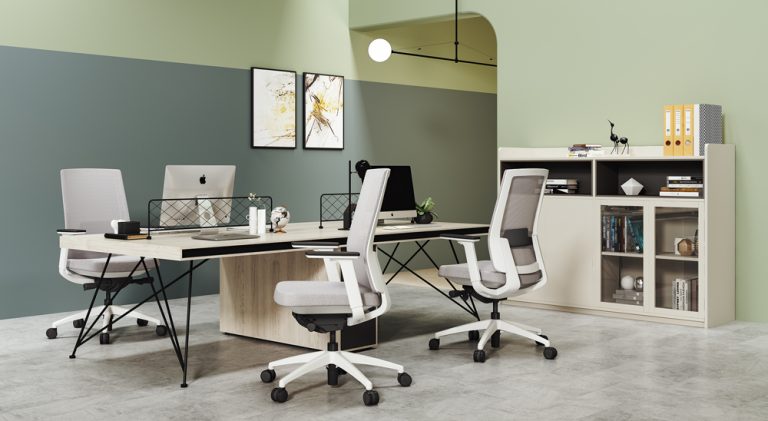
If your chair feels outdated or no longer suits your workspace, it’s a strong signal that it’s time to upgrade.
Repair or Replace Your Office Chair?
Minor issues, like replacing castors or tightening screws, can extend a chair’s life. However, if multiple warning signs apply like pain, wear, poor adjustability, or age, replacement is usually the healthier and more productive choice.
Working through discomfort isn’t sustainable and can have long-term consequences for your posture and energy levels.
Choosing the Right Chair for Comfort and Productivity
The right chair makes all the difference. A properly fitted ergonomic chair:
- Supports your natural posture - How to adjust your chair for the correct sitting posture
- Reduces fatigue and stress - How to deal with stress at work
- Encourages dynamic sitting - What is Dynamic Sitting?
- Improves focus and comfort - Office Chairs Designed for Comfort, Support and Healthy Posture
If you’re asking “how do I know if I need a new office chair?”, recognise the signs and act early. Investing in a new chair isn’t just replacing furniture — it’s protecting your health, comfort, and productivity for years to come.
Your Next Steps
Use the Chair Selector to find your ideal chair.
Explore our full range of Ergonomic Office Chairs and adjustable Standing Desks.
By the same author:

Why Every Production Line Needs the Right Industrial Chair
Invest in the right industrial chair to boost productivity, reduce injuries, and support factory workers on your production line.

Why Automated Fabric Cutting improves quality
High quality office and casino seating requires advanced automation, like automated fabric cutting.

Why an ergonomic chair has even more relevance in a 4-day work week
A 4-day work week can result in people sitting continuously for long hours, making an ergonomic chair a “no brainer”.