

How the Right Office Chair Can Help Your Back Pain
- Updated:
About the author:

Ronel Hendry

“Create Healthy Workspaces”
According to research by the South African Society of Physiotherapy, back pain is a serious issue in South Africa. The study found that about 80% of people will experience back pain or discomfort at some time in their lives. This problem isn't unique to South Africa; it affects many people worldwide, particularly those who work in offices. Back pain at the office is often caused by an unsuitable office chair or one that has been incorrectly adjusted. Employers should provide ergonomic chairs, adjustable standing desks and other office equipment to help prevent back pain.
In April 2024, News24.com reported:
"Globally, about 1.7 billion people experience musculoskeletal conditions, which are the leading cause of disability around the world, with lower back pain being the main cause of disability in 160 countries."

In developed countries, the lifetime prevalence of low back pain (LBP) is reportedly between 75 and 84% of the general population. National Library of Medicine.

How Your Office Chair Can Help Alleviate Back Pain
Investing in an office chair designed for back pain can transform your work day. If you’ve experienced nerve pain in your lower back, you know that the right chair can relieve pressure on your spine and improve overall comfort. How Ergonomic Chairs Transformed My Work Life – My Journey with Nerve Pain in My Lower Back.
Early intervention, ergonomic office furniture, corrective treatment, and healthy lifestyle habits can help prevent back pain.
Can Ergonomic Chairs Help with Sciatica and Pinched Nerves?
Office Chair Features That Can Prevent Back Pain
To achieve a healthy sitting position and prevent both upper and lower back pain, it is critical that your office chair has the following features:
- Adjustable seat height.
- Seat depth adjustment.
- Backrest and seat angle adjustment.
- Adjustable lumbar support.
- Adjustable armrests.
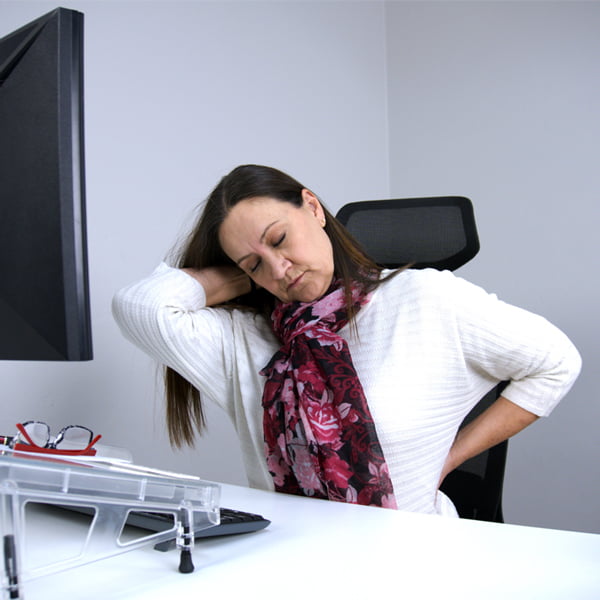
Office Chairs for Back Pain
How Your Office Chair Can Increase The Risk Of Back Pain
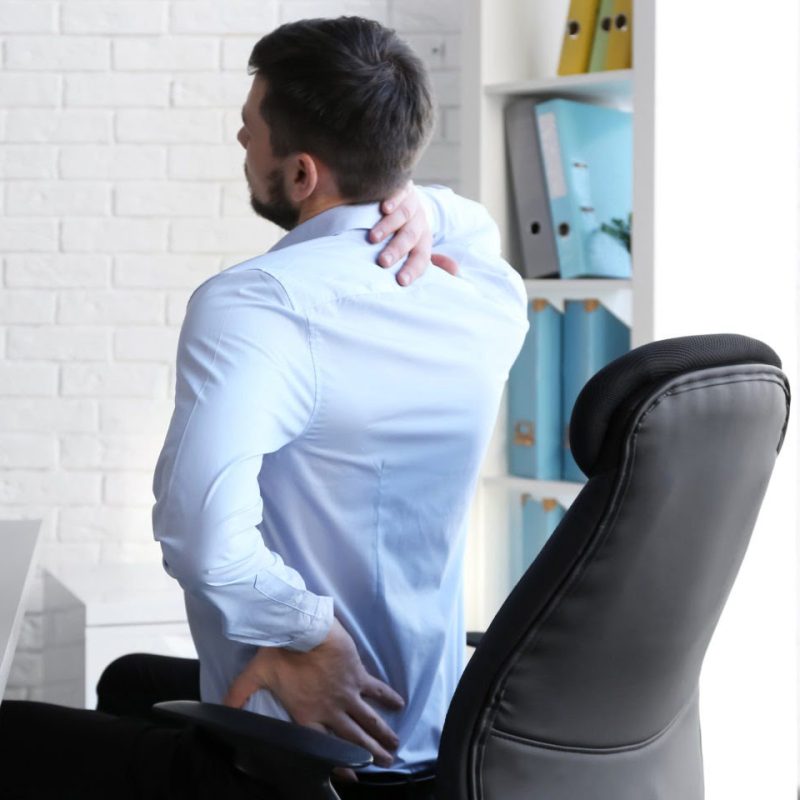
Upper and lower back, neck and shoulder pain when sitting, can be caused by several factors.
Without doubt, the biggest contributor is an incorrect sitting posture. Most people spend 10 hours or more per day sitting, and unfortunately, our bodies are not designed to sit.
Sitting is a static posture causes increased stress in the back, neck, arms and legs, which can result in back pain – European Agency for Safety and Health at Work.
Furthermore, a static posture increases the pressure in the back muscles and spinal discs. As we work, our core muscles get tired and we have a tendency to slouch in our chair. If we are focused on our work, we may not even be aware that we are doing so!
a. Incorrect chair height
The primary cause of back pain in the office is sitting on a chair that is adjusted to the incorrect height.
- If the seat is too low, your knees will be higher than the level of your hips. This increases the pressure in your lumbar discs and results in lower back pain. Furthermore, you will typically need to lift your arms to reach the work surface which causes muscular tension in your shoulders and neck.
- If the seat is too high, your feet may not reach the floor (dangling feet), and you will then experience pressure in the back of your thighs. This may result in a sitting position where you are perched on the front edge of the chair with no back support.
b. Lumbar support
Back and lumbar support is critical to prevent lower back pain while sitting. Back support for an office chair – why it’s important
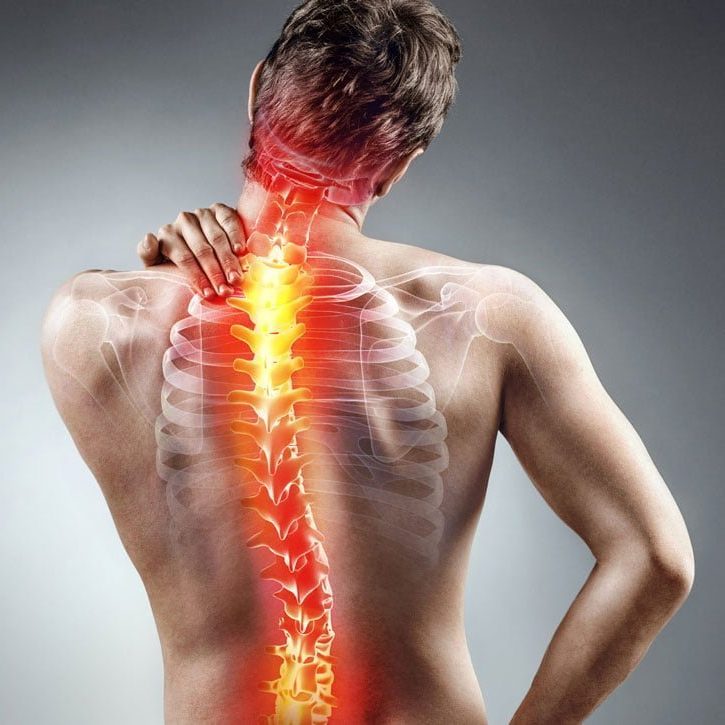
c. Poor ergonomic workstation setup
Improperly designed workstations or equipment can cause back pain by forcing workers into awkward positions. Incorrect monitor heights, keyboard and mouse placement may cause pain in the wrists, elbows, arms and shoulders which can radiate into the upper back. Best practices for ergonomics in the workplace.
d. Poor posture
Sitting forward or in a slumped position that does not provide proper spinal alignment can lead to pain in the upper and lower back, shoulders and neck. The effect of a workstation chair and computer screen height adjustment on neck and upper back musculoskeletal pain and sitting comfort in office workers.
e. Lack of movement
Sitting or standing for prolonged periods in the same position throughout the working day can lead to weakened muscles and stiffness, causing pain in the lower back.
How To Prevent Back Pain In The Office - 8 Tips
Preventing back pain at work involves taking proactive steps to maintain good posture, stay active, and avoid repetitive motions or strains that can cause muscular or skeletal-related problems. Here are 8 tips to help prevent back pain at the office.
A good posture is the key to avoiding and relieving back, neck and shoulder pain.
1. Adjust your chair to the correct height
Use our guide to adjust your chair to the correct height. Sit up straight and keep your shoulders back to maintain proper spinal alignment. Avoid slouching or hunching over your work.
2. Take frequent breaks
Get up and move around every 30-40 minutes. Movement and exercise increases blood flow and keeps your muscles, ligaments, joints and bone tissues healthy. Go for a walk, jump, or roll your shoulders to reduce upper back pain.
3. Stretch and move regularly
Incorporate stretching exercises into your daily routine to strengthen your core, improve flexibility and prevent muscle imbalances. The ultimate ‘how to’ video guide of exercises and stretches for office workers
4. A good office chair will prevent back pain
Buy an orthopedic or ergonomic chair with good back support.
5. Use a Standing Height Adjustable Desk
Upgrading your workspace with a standing height adjustable desk may reduce the amount of time spent sitting down. Standing Desk: The Pros & Cons
6. Stay active
Regular physical activity outside the office can help strengthen the muscles that support the spine and prevent back pain. Walking, running, going to the gym or playing sport are great ways to improve the health of your back.
7. Prioritise your mental health
Practice stress-reducing techniques such as meditation or deep breathing techniques to prevent muscle tension and reduce the risk of back pain. How to deal with stress at work
8. Stay hydrated
Dehydration can cause muscle cramps and tightness, so be sure to drink plenty of water throughout the day.
Conclusion
By taking these steps, you can effectively manage lower back pain at the office and prevent it from negatively impacting your work productivity and overall quality of life. Upgrading your office chair might be the key change you need to reduce back pain and transform your work life.
WARNING:
If you experience persistent or severe back pain, it's crucial to seek medical attention from a healthcare professional. Persistent back pain can be a sign of a serious underlying condition and a medical professional can help identify the cause and recommend appropriate treatment.
Office Chairs for Back Pain
By the same author:

Why a fully adjustable office chair is important
We are all different, so when you buy a new office chair, look for one that has all the adjustability features.
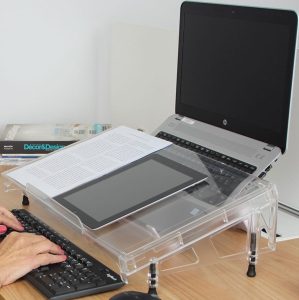
What are the health benefits of a document holder?
One of the best ergonomic accessories you can get is a document holder.

Unveiling the True Cost of Ergonomic Office Chairs: Are they Worth the Investment?
Although the upfront cost of ergonomic office chairs may seem high, over their lifespan they are a low-cost and smart investment.