

How To Choose The Right Ergonomic Desk Chair
- Updated:
About the author:

George Mashinini
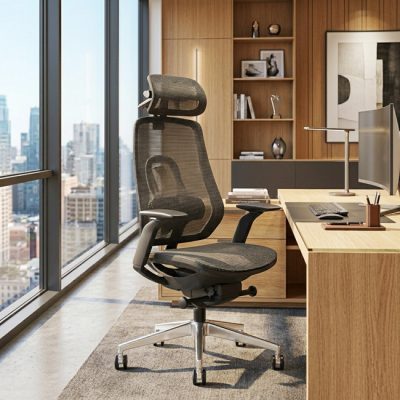
“Create Healthy Workspaces”
What Is An Ergonomic Desk Chair
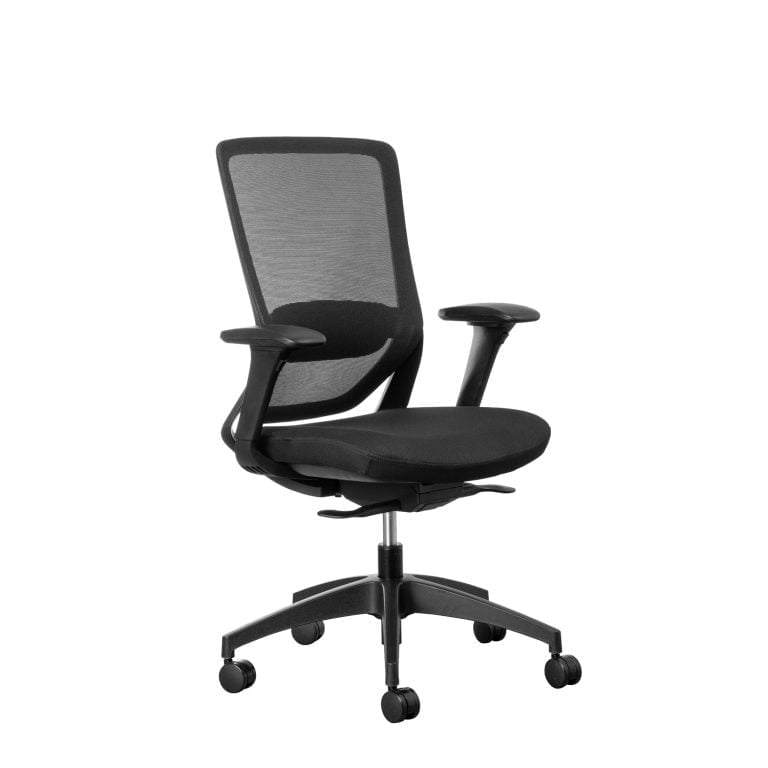
An ergonomic desk chair is a chair that can be adjusted to support your body's natural posture while sitting. Key ergonomic features typically include:
- Adjustable seat height
- Lumbar support
- Adjustable armrests
- Backrest angle adjustment
- Appropriate seat depth, preferably adjustable
- Optional headrest
The goal of an ergonomic desk chair is not to force your body into a fixed position. Instead, it should adapt to your individual body shape and allow you to work comfortably throughout the day.
Quick Answer: How Do You Choose the Right Ergonomic Desk Chair?
The best ergonomic desk chair is one that fits your body dimensions and can be adjusted to support your posture.
When choosing a chair, focus on these four factors:
- Your body shape
- Your weight
- Whether you have pre-existing back-related issues
- How long you sit each day.
A chair that works perfectly for a tall person with long legs may be uncomfortable for someone with a shorter frame. This is why there is no single "best" ergonomic desk chair.
The chair should fit your body, not the other way around.
Why One Chair Doesn't Fit Everyone
We often get asked, “What is the right ergonomic desk chair for me?” or “How do I choose the right office chair?” These are tough questions without easy answers and the reason is simple.
Choosing a comfortable office chair is highly subjective. We are all different and there is no, and never will be, a one-size-fits-all.
Although two people may be the exact same height, it is likely that they have different body shapes which will result in them selecting a different ergonomic desk chair. For example, one person might have long legs and a short torso, whereas the opposite is true for someone else. This translates into a different seating experience for each person.
How your office chair is designed matters as one size does not fit all when it comes to finding the right chair for you.
Checklist For Selecting an Ergonomic Desk Chair
When choosing an ergonomic desk chair, look for:
✓ Adjustable seat height
✓ Adjustable lumbar support
✓ Adjustable armrests
✓ Appropriate seat depth
✓ Backrest angle adjustment by means of a tilt mechanism that enables Dynamic Sitting
✓ A chair size that matches your body shape
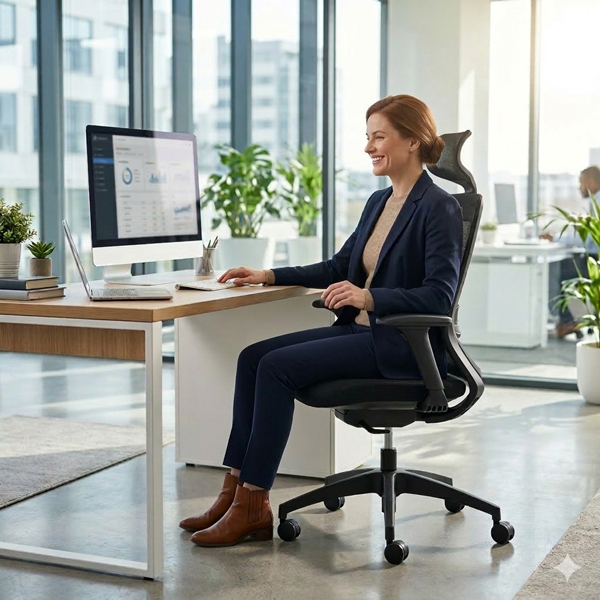
Different body shapes lead to selecting a different ergonomic desk chair
Many people assume that if a chair receives good reviews, it will automatically be comfortable for them. Unfortunately, that is not how ergonomics works.
Consider two people who are both 177 cm tall. One may have long legs and a short torso, while the other has shorter legs and a longer torso. Although they are the same height, they often require different ergonomic adjustments and may prefer completely different chairs.
Use our CHAIR SELECTOR to help you choose the right ergonomic desk chair.

How to Choose an Ergonomic Desk Chair for Your Body Type
If You Have Long Legs
Look for:
- Adjustable seat depth
- Higher seat height range
- Adjustable armrests
Without sufficient seat depth, your thighs may not receive adequate support.
If You Have a Long Torso
Look for:
- Adjustable lumbar support
- Height-adjustable backrest
- Adjustable headrest
Many standard headrests are too low for taller users with longer torsos.
If You Have a Petite Build
Look for:
- Narrower and shorter seat
- Armrests that adjust inward
- Lower seat height range
This helps keep your elbows close to your body and your feet properly supported.
If You Have a Larger Build
Look for:
- Wider seat and backrest
- Heavy-duty construction
- Higher weight capacity
The chair should feel supportive without restricting movement.
Real Examples from the Karo Team
To demonstrate how body shape influences chair selection, we analysed the body dimensions and chair preferences of several Karo team members. Interestingly, people of similar height often selected completely different chairs based on differences in leg length, torso length and overall body build. The examples below illustrate why there is no single ergonomic desk chair that suits everyone.
Notes:
- If you are a heavier user, check the chair's maximum weight rating and consider a heavy-duty ergonomic chair. Standard office chairs are typically designed for average use, whereas heavy-duty chairs generally are stronger and have higher weight capacities.
- If you have existing lower back pain, sciatica or other musculoskeletal issues, consider an orthopedic chair with advanced adjustability.
a) Philip - 197cm tall
"Because I am so tall with a longer torso, I prefer using an ergonomic desk chair with..."
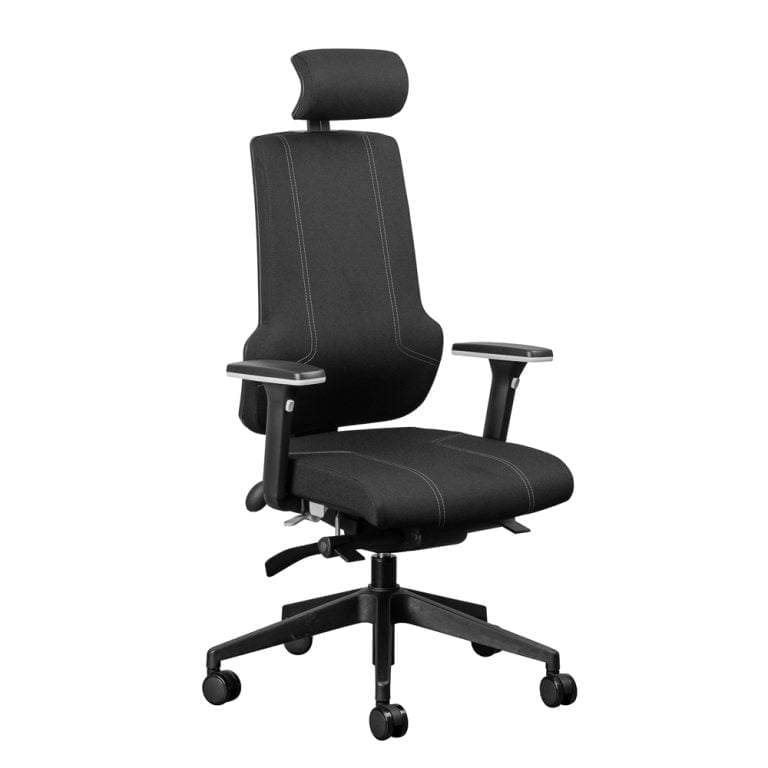
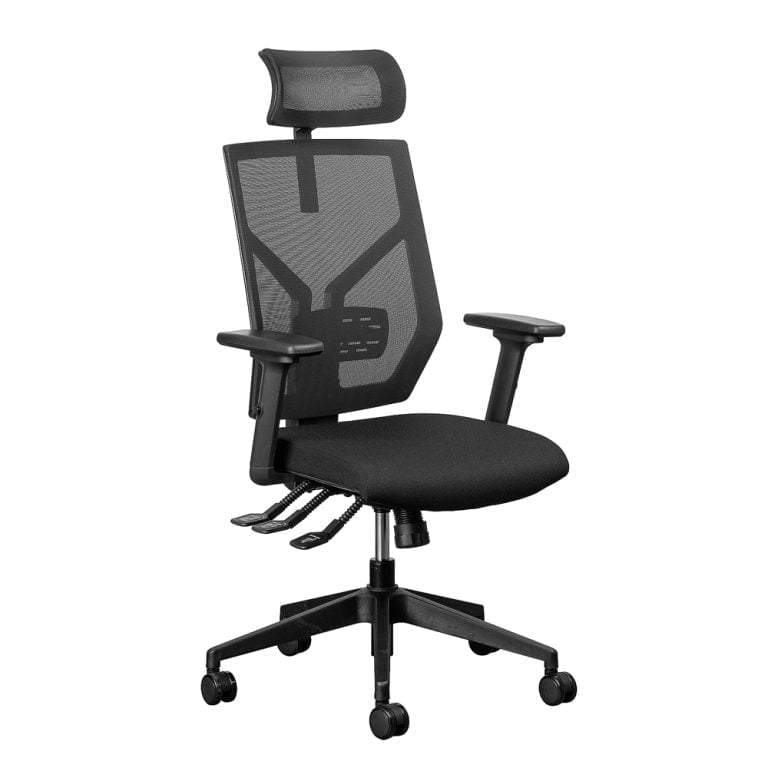
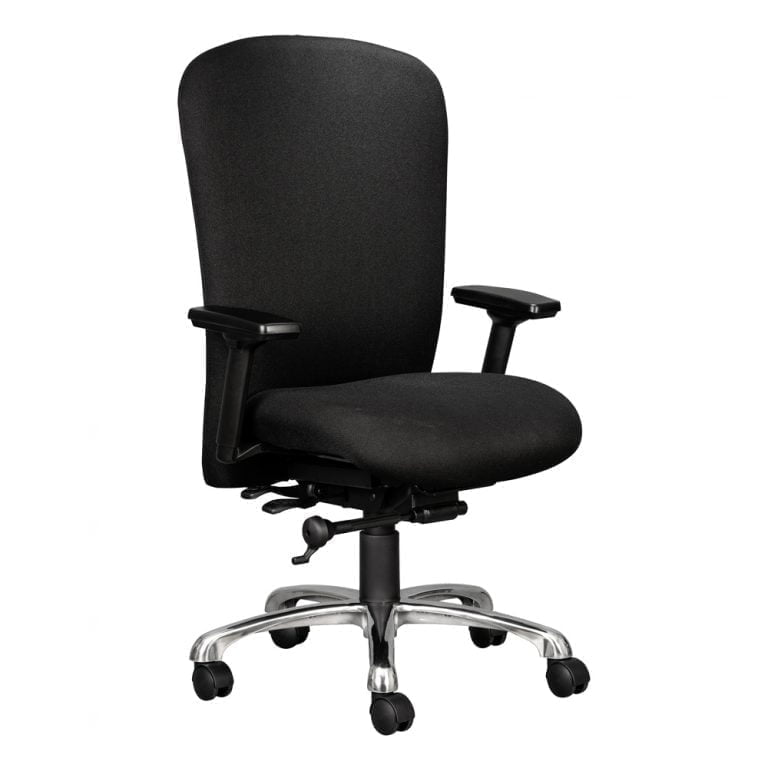
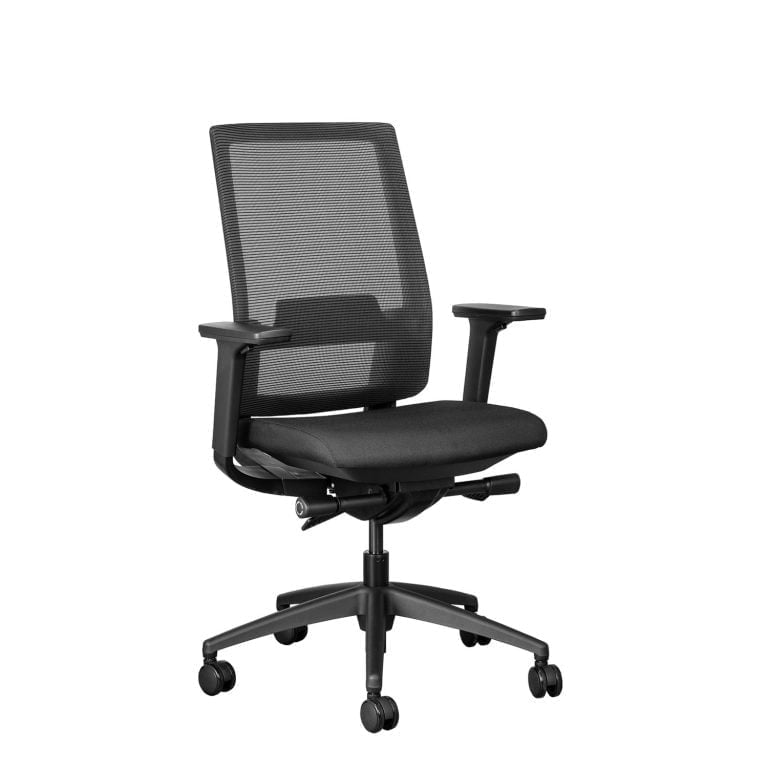
- an adjustable lumbar support and height adjustable backrest;
- seat depth adjustment;
- multi adjustable armrests;
- without a headrest because most chair headrests don’t adjust high enough for me and end up supporting the top of my shoulders and not my head;
- Best Office Chairs for Tall People – A Comprehensive Guide.
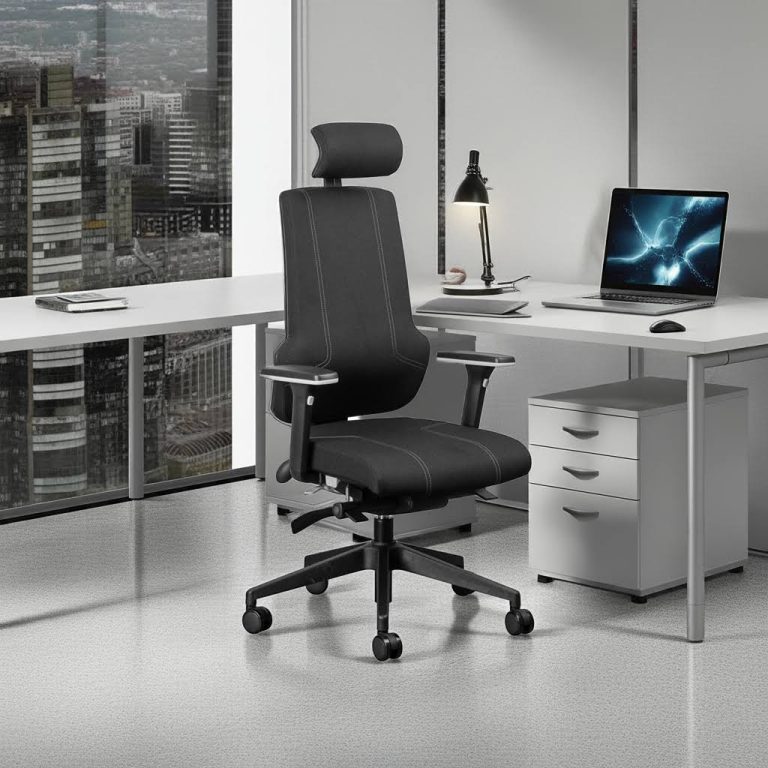
Philip's favourite ergonomic desk chairs
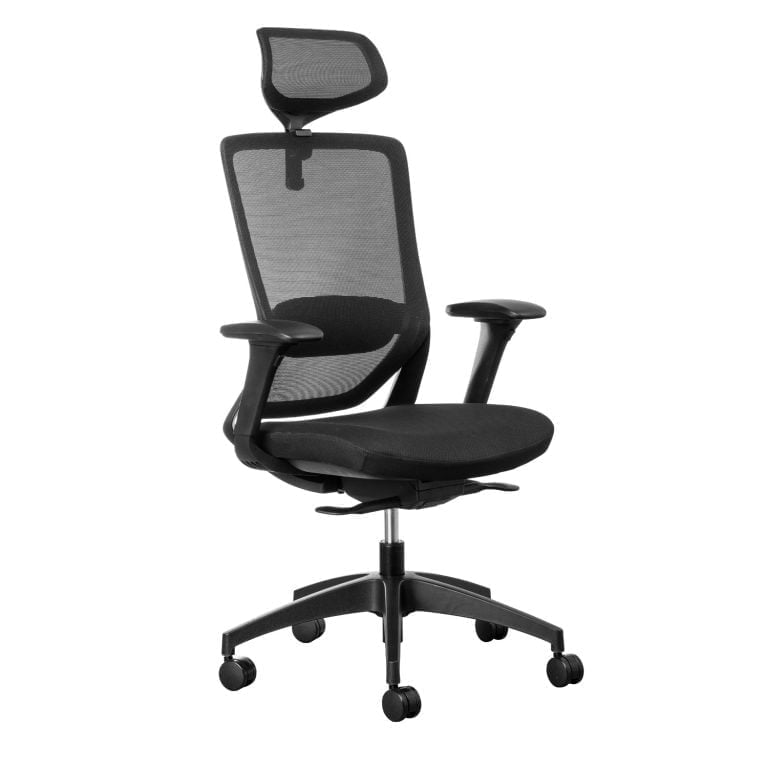
b) Ruhan - 183cm tall
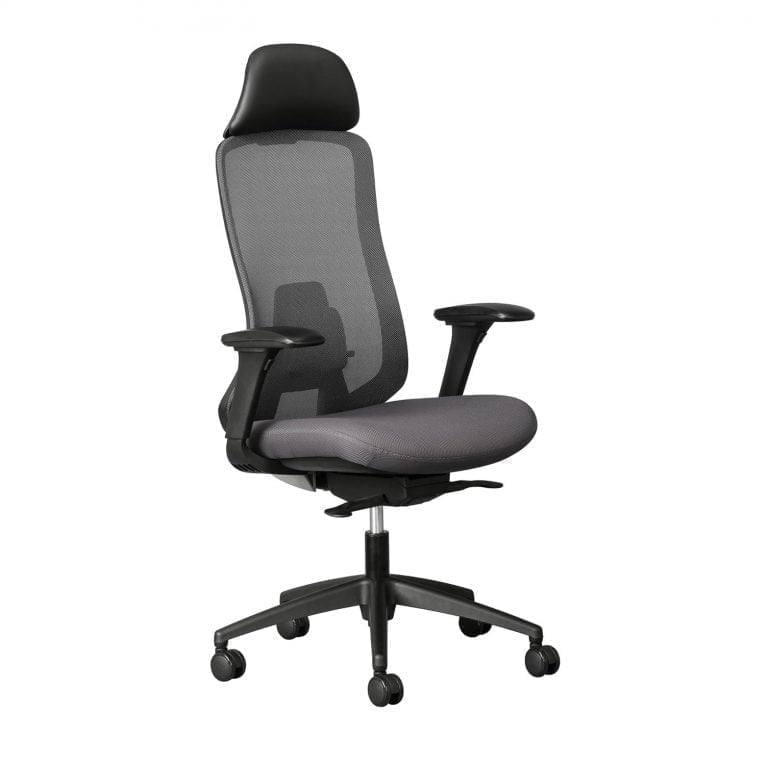
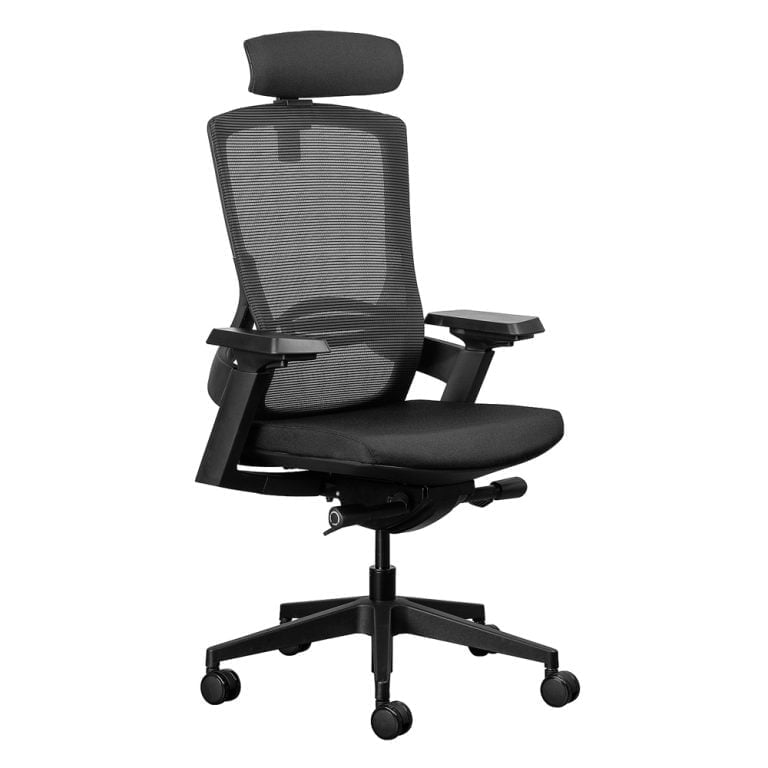
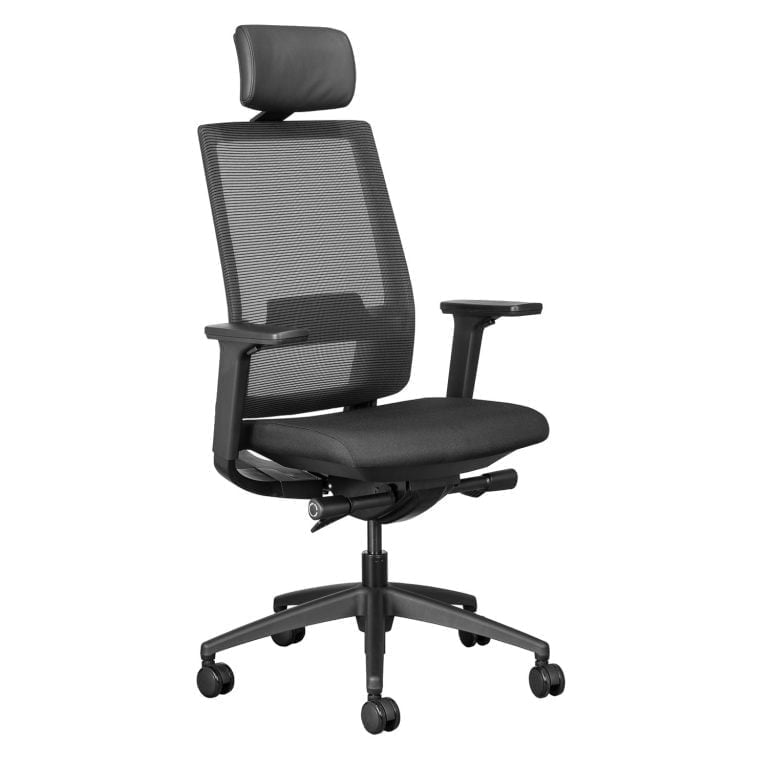
"My body shape is pretty average which means I can use any Karo ergonomic desk chair. I generally prefer using chairs with..."
- an adjustable lumbar support;
- a static seat as I don’t need to adjust the seat depth;
- multi adjustable armrests so that I can adjust the height of the arms and comfortably position the arm pads;
- a headrest. What’s the purpose of the headrest?
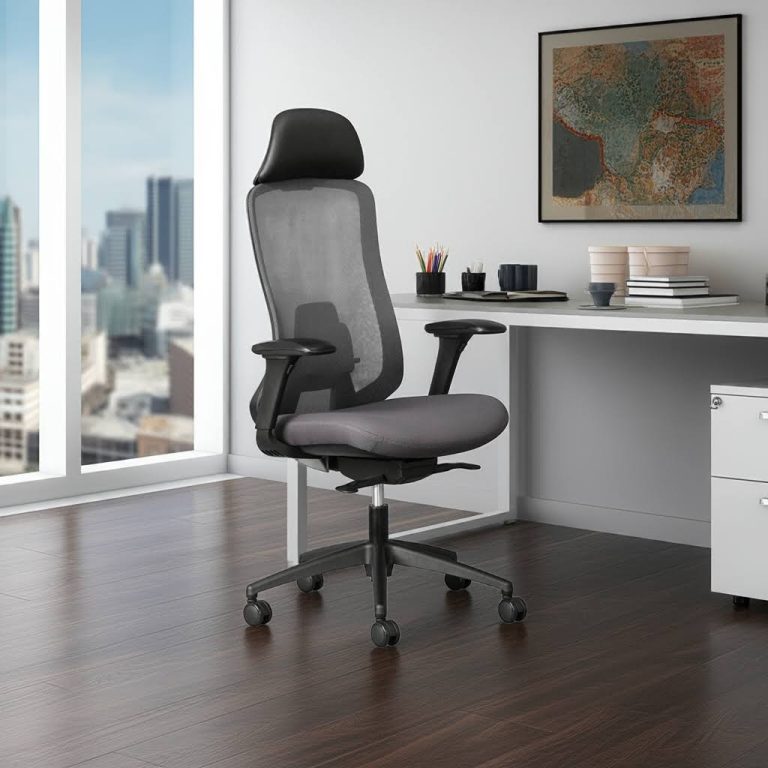
Ruhan's favourite ergonomic desk chairs
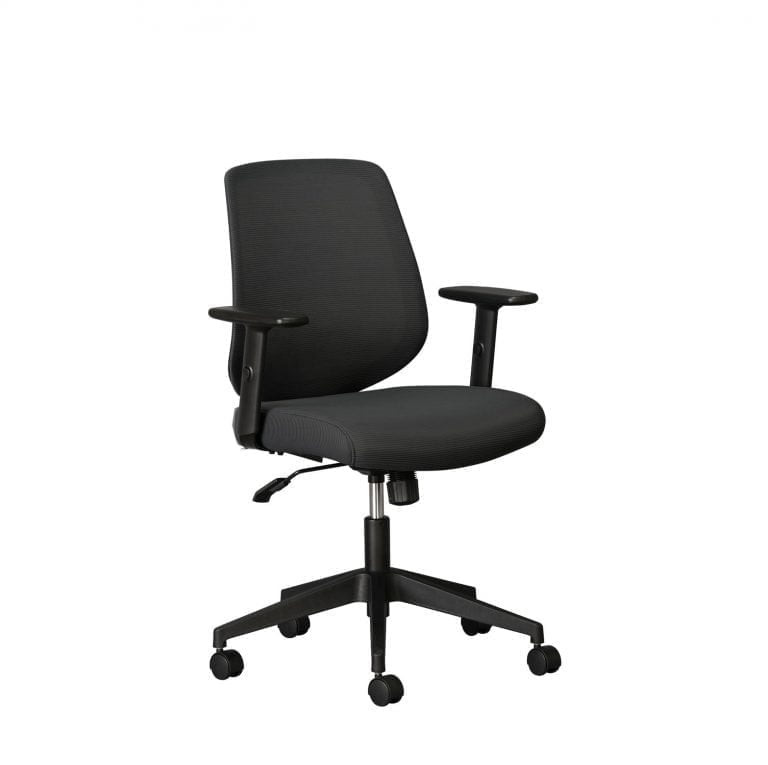
c) George - 177cm tall
"I have an average body shape so I can use any Karo ergonomic desk chair. I generally prefer using a chair with..."
- an adjustable lumbar support;
- a static seat as I don’t need to adjust the seat depth;
- multi adjustable armrests so that I can adjust the height of the arms and comfortably position the arm pads;
- a headrest.
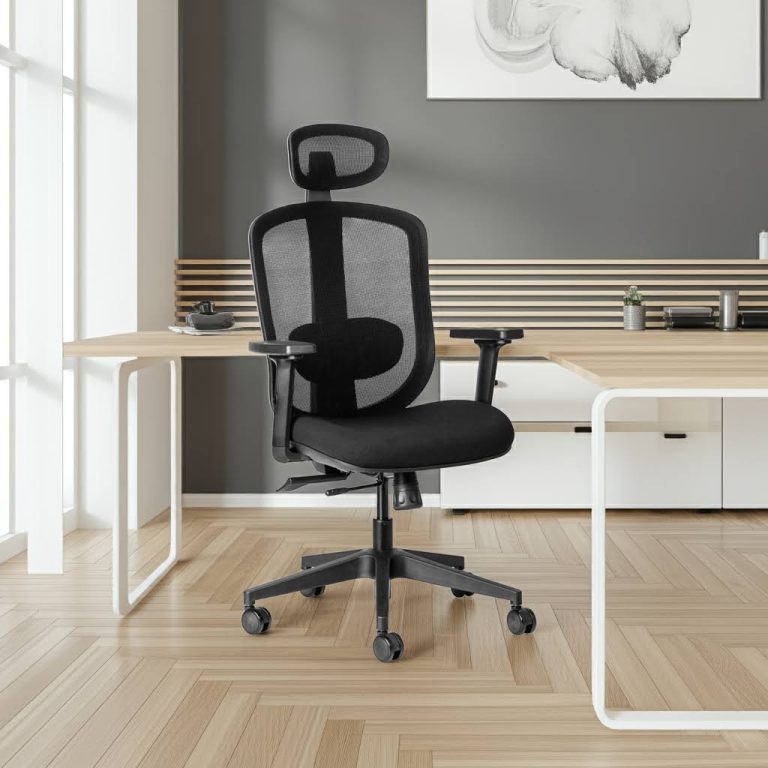
George's favourite ergonomic desk chairs
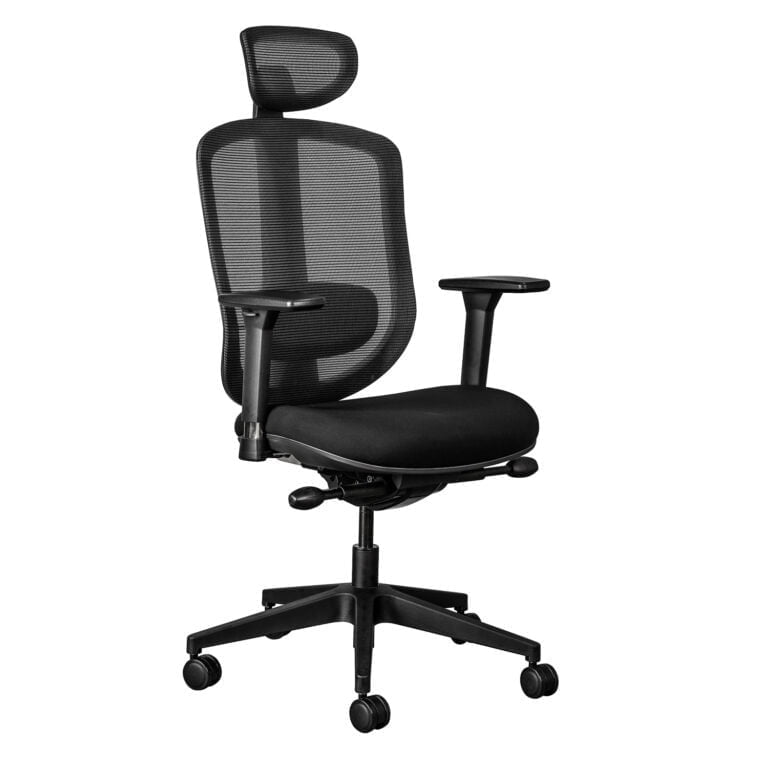
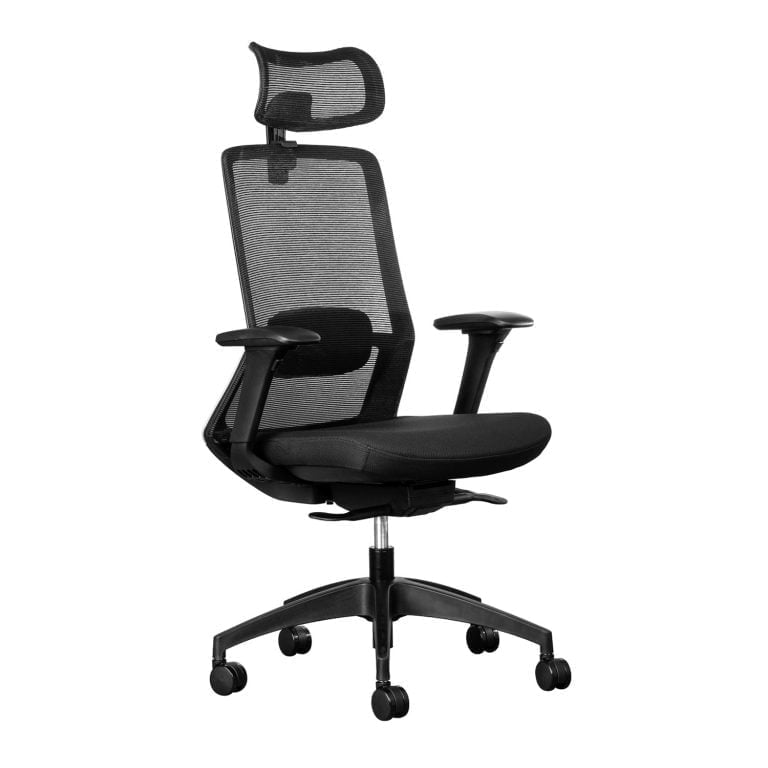
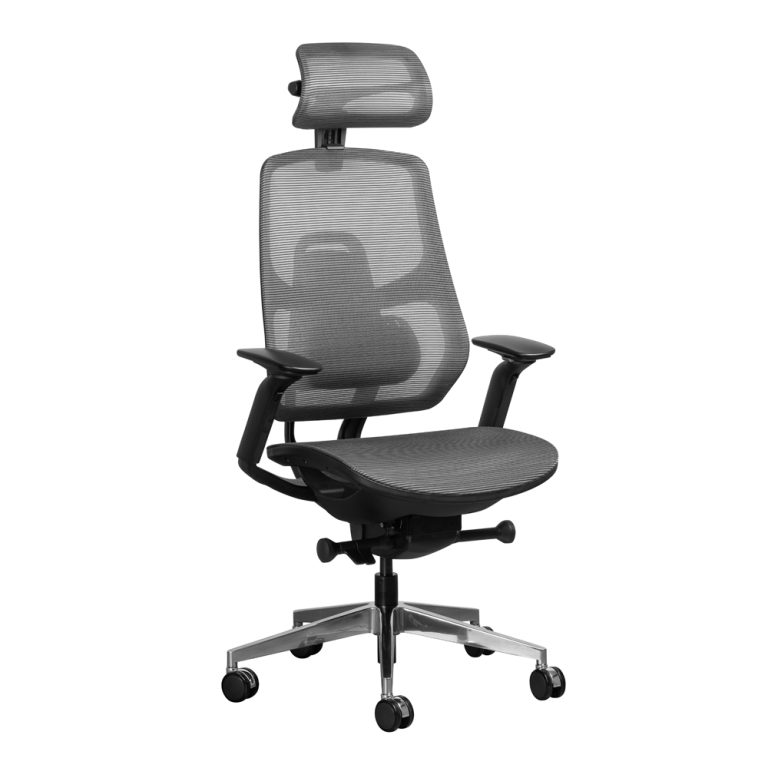
d) Lizl - 177cm tall
"George and I are the same height, but our body shapes differ and therefore so do our preferences. I generally prefer using a chair with..."
- an adjustable lumbar support;
- a static seat as I don’t need to adjust the seat depth;
- multi adjustable armrests. Because of my long torso, chairs fitted with fixed height armrests are too low for me;
- a headrest.
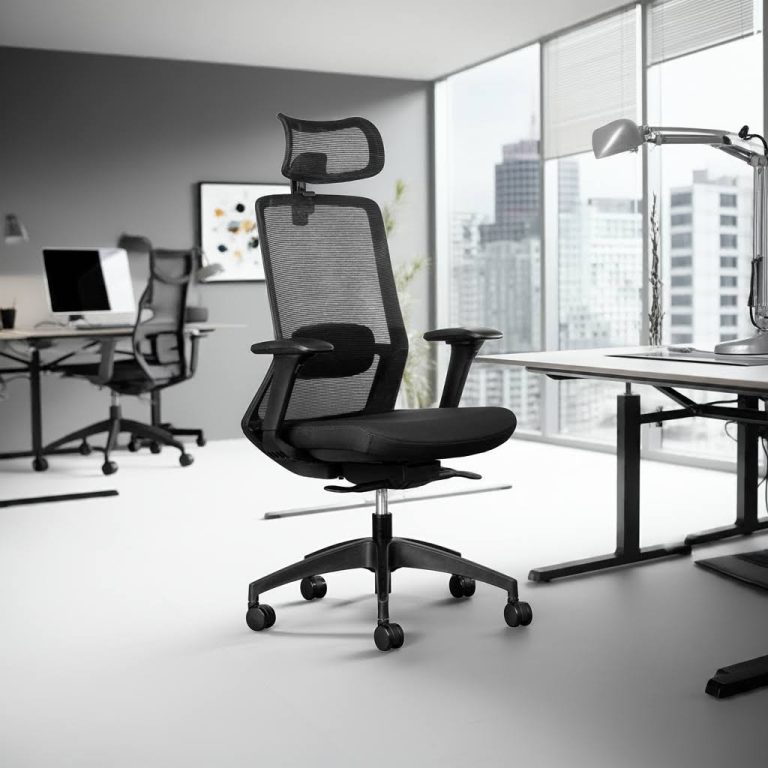
Lizl's favourite ergonomic desk chairs
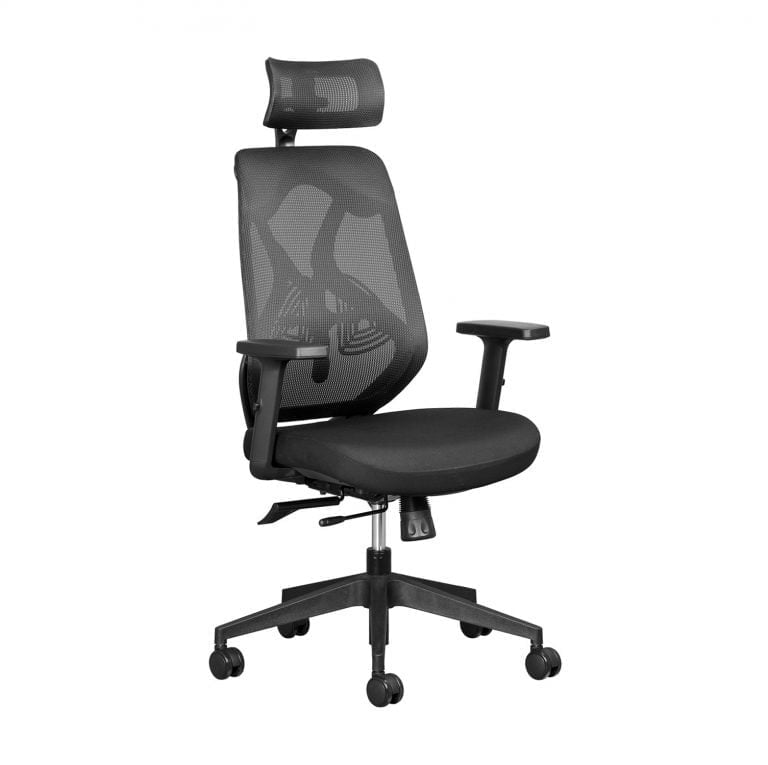
e) Ronel - 173cm tall
"I have a really short torso and long legs so I generally prefer using a chair with..."
- an adjustable lumbar support;
- seat depth adjustment;
- multi adjustable armrests;
- with a headrest.
"The OrthoMax is perfect for me. I can increase the seat depth to accommodate my longer legs and due to sciatica, I can tilt the seat forward."
Ronel's favourite ergonomic desk chairs
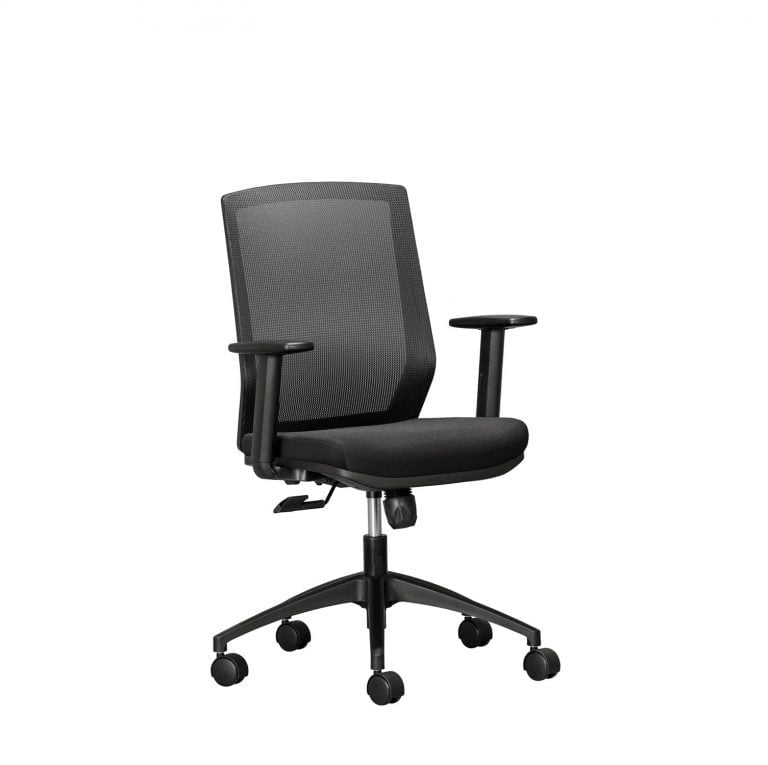
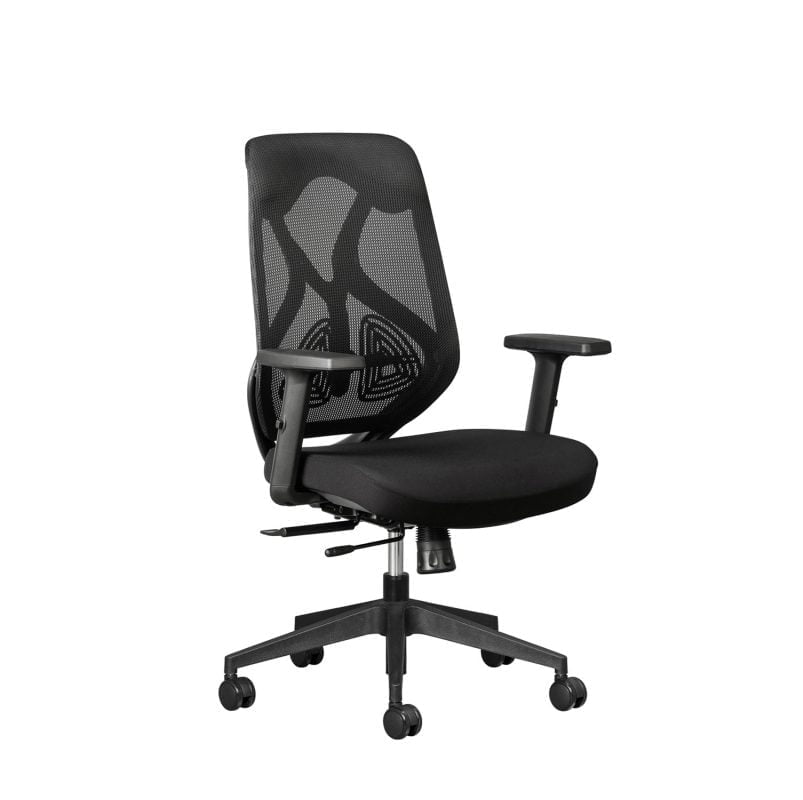
f) Maria - 168cm tall
"I sit at an average height and have an average body shape. I prefer using an ergonomic desk chair with..."
- an adjustable lumbar support;
- a static seat as I don’t need to adjust the seat depth;
- multi adjustable armrests. Because of my long torso, chairs fitted with fixed height armrests are too low for me;
- without a headrest.
Maria's favourite ergonomic desk chairs
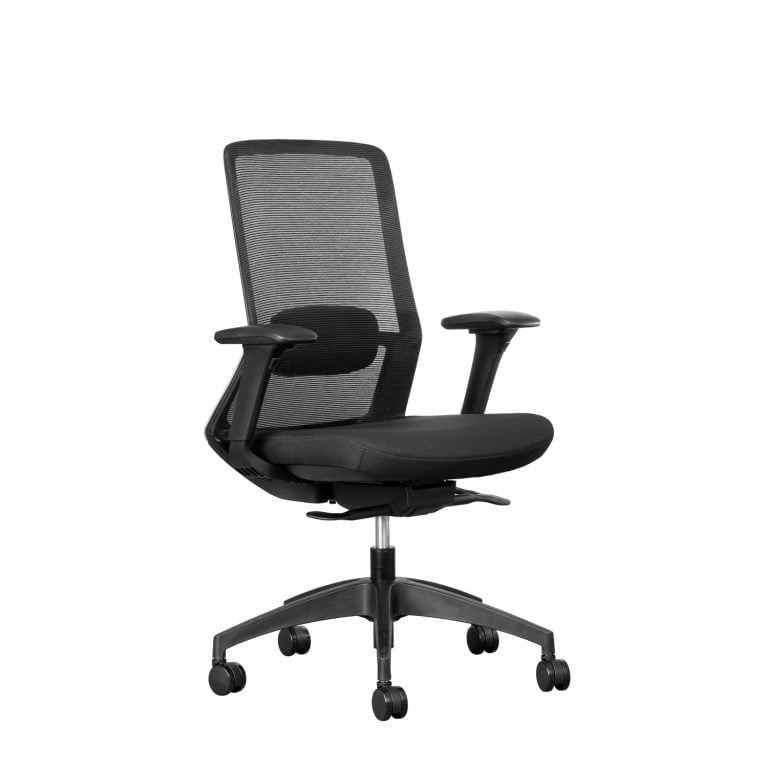
g) Yolandi - 159cm tall
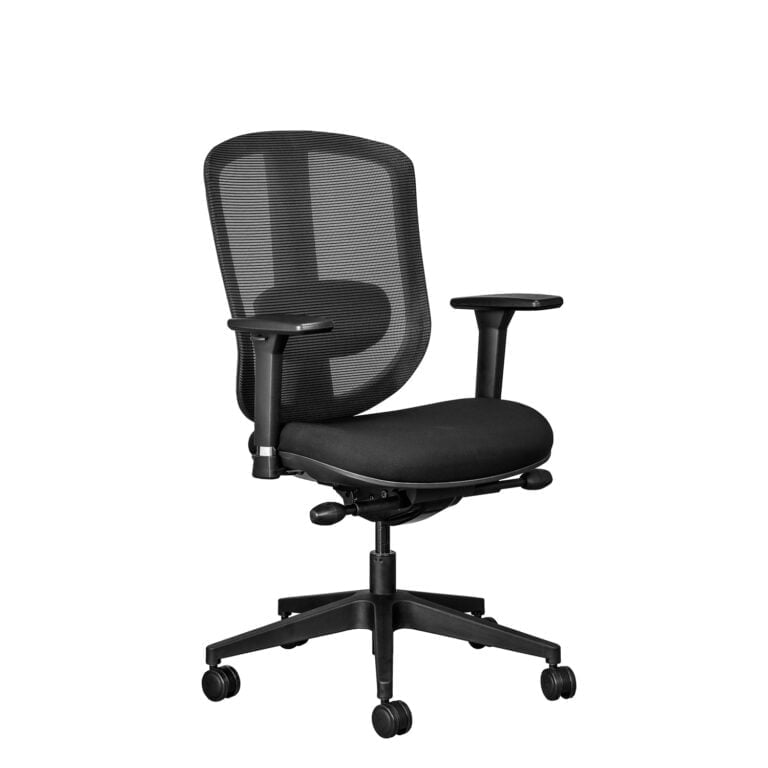
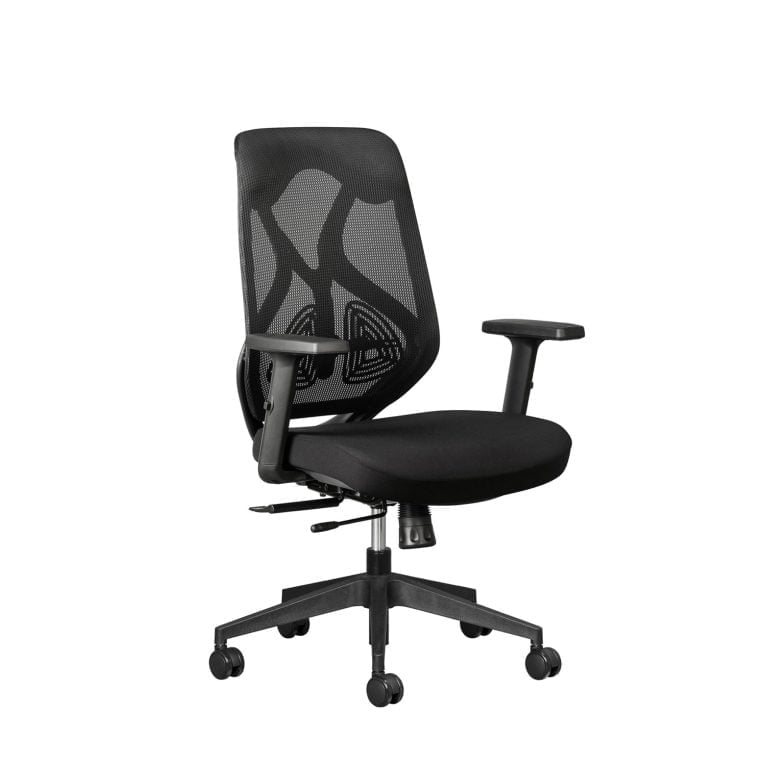
"I have both a short torso and legs, I prefer using a chair with..."
- an adjustable lumbar support;
- a static seat as I don’t need to adjust the seat depth;
- multi adjustable armrests;
- narrower gap between the armrests;
- without a headrest.
Yolandi's favourite ergonomic desk chairs
Conclusion
The right ergonomic desk chair should fit your body, your work style and your comfort preferences. While there is no single chair that suits everyone, understanding your body shape, leg length, torso length and support requirements makes choosing the right chair much easier. By focusing on adjustability rather than appearance alone, you can invest in a chair that supports your posture and remains comfortable for years to come.
- If you have long legs, consider getting a chair where the seat depth can be adjusted so that your legs are well supported. There should be a gap of about 3cm between the front of the seat and the back of your knees.
- If you have a long torso, think about whether or not you should get a chair with a headrest. If you prefer a headrest, make sure the headrest can go high enough, or the chair has a high backrest, or the backrest is height adjustable.
- For most people, fixed armrests are too low and will cause you to hunch your back. If you are going to sit for short periods of time, then fixed arms will be fine. Otherwise, we would recommend adjustable armrests so that you can adjust them to suit your personal preference.
Video guide
How to correctly adjust the height of your ergonomic OFFICE CHAIR, DESK and MONITOR
Contact us for more information.
By the same author:


Are Strong Ergonomic Office Chairs Worth It?
Ergonomic office chairs can be expensive, so is a strong chair worth it? What makes them durable and are they a good investment?

5 Best Ergonomic Office Chairs for Long Work Sessions
An ergonomic office chair can significantly improve comfort during extended work periods. Below are our top 5 picks.