

Back Support for an Office Chair: Why It Matters More Than You Think
- Updated:
About the author:

Ronel Hendry
“Create Healthy Workspaces”
After several hours at your desk, does your lower back start aching? Do you find yourself constantly shifting position, stretching or leaning forward to get comfortable? If so, your office chair may not be providing the back support your body needs.
One of the most important features of any ergonomic office chair is adjustable lumbar support. It helps maintain the natural curve of your lower back, reducing strain on muscles, ligaments and spinal discs during prolonged sitting. Whether you work from home, hot desk in a shared office, or spend most of your day at a workstation, a chair with good back support can make the difference between finishing the day feeling comfortable or stiff and fatigued.
Why Is Lumbar Support Important?
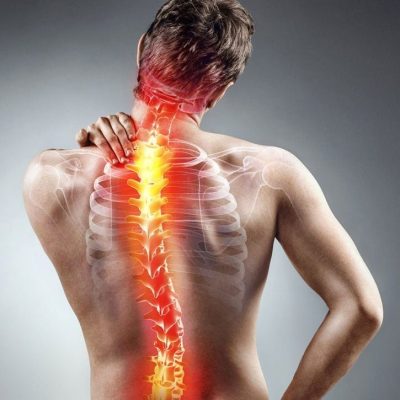
The spinal column is made up of 34 bones that keep your body straight, allow it to move, and carry major nerves from the brain to the rest of the body. It supports both your skeletal structure and nervous system.
Sitting for long periods in a chair with poor back support increases stress on the lower back, leading to pain and discomfort. According to Spine Health, choosing a good ergonomic office chair and setting it up correctly is very important for avoiding and alleviating back pain.
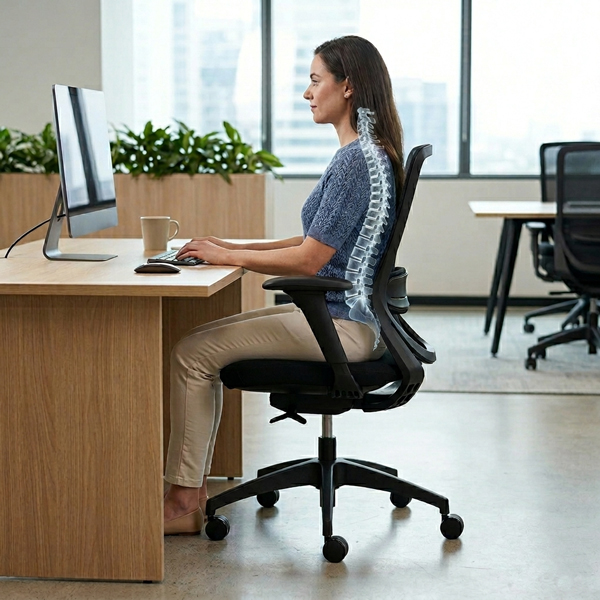
Office chairs with good lumbar support help keep your spine in its natural elongated 'S' shape.
For more information, find out what actually happens to your body when you sit.
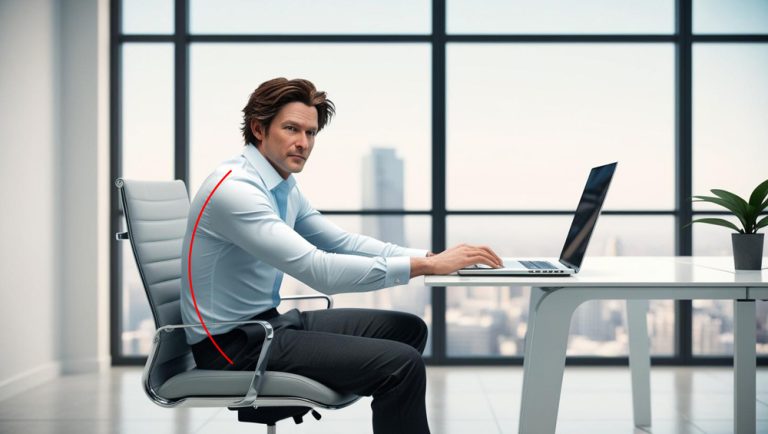
A chair with poor back support often results in sitting with a 'C' shaped spine. This may cause:
- Backache
- Neck and shoulder pain
- Headaches
- Sciatic nerve pain or sciatica
- Impaired breathing due to the compression of your lungs which restricts the blood flow to your vital organs, specifically your brain, resulting in fatigue and poor concentration.
What Does The Lumbar Support On Your Office Chair Do?
The lumbar support fills the gap between your lower back and the chair backrest. This helps maintain the natural inward 'S' shaped curve of the spine. This reduces strain on muscles and supports a better posture during prolonged sitting.
What Happens If Your Office Chair Doesn't Support Your Back?
Many office workers spend six to eight hours or more each day seated. Without adequate back support, the muscles that stabilise your spine work harder to maintain your posture. This can lead to:
- Persistent discomfort
- Poor sitting habits
- Increased fatigue
- Frequent posture changes
- Back, neck and shoulder pain that may impact your long-term wellbeing.
If you already experience muscular back pain or spend most of your day sitting, lumbar support is not a luxury. It is an essential ergonomic feature.
Does Everyone Need An Office Chair With An Adjustable Lumbar Support?
Short answer: Yes.
Because our bodies are so varied, chairs with a fixed or pre-defined lumbar support are not suitable for everyone. An adjustable lumbar support allows you to position the lumbar cushion to best fit and support the curvature of your spine.
This is particularly important in South African workplaces where hot desking is common and multiple people may use the same chair throughout the day.

An adjustable lumbar support is recommended if you are sitting on your office chair for long periods of time, and/or you have persistent muscular back pain or musculoskeletal disorders. Can Ergonomic Chairs Help with Sciatica and Pinched Nerves?
Remember....
- Every person’s back and body shape is unique.
- Office chairs are not all the same and the level of back support afforded by each model will not suit everyone. There is no “one size fits all”, so find a chair that suits your back!
- Be cautious of claims that a single office chair will suit everyone. Because body shapes vary significantly, the best chair for one person may not be the best chair for another. there is no "one-size-fits-all".
Rather than forcing your body to adapt to the chair, an ergonomic chair should adapt to you
Different Lumbar Support Options And How They Work
Lumbar back support for office chairs in South Africa is available in various forms that range from the most basic to more advanced ergonomic options. Office chairs with a high ergonomic rating will have backrests that include multiple types of lumbar support adjustment. Let’s have a look at a few variations.
Note: Some chairs may have a combination of the various types listed below.
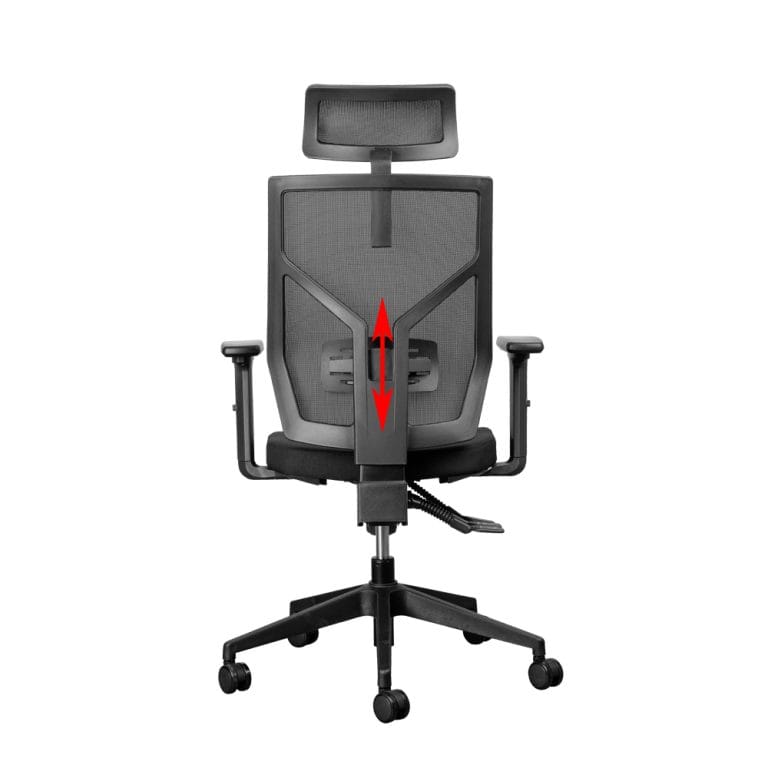
a. Height adjustable lumbar support
This is perhaps the most common option available on most ergonomic office chairs and it allows you to adjust the back support VERTICALLY to suit your lumbar curve.
In order to get optimum results, sit as far back into your seat as possible with your back fully supported by the backrest.
Now adjust the lumbar support so that it rests in the small of your back to maintain the natural curve of your spine. Ensure that the lumbar is not too high or too low as this may lead to slouching and discomfort.
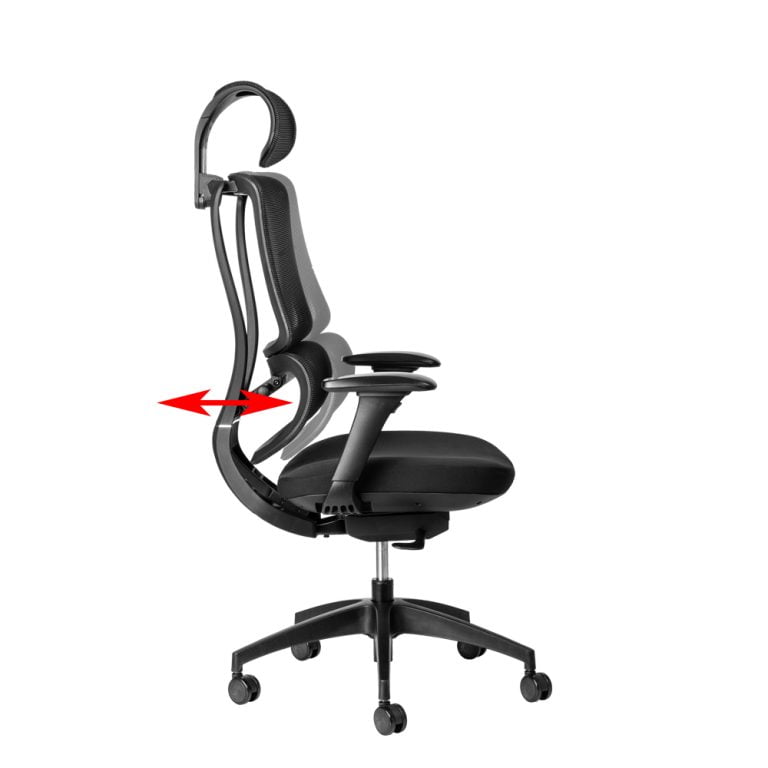
b. Office chairs with a depth adjustable lumbar back support
This option allows you to adjust the back support HORIZONTALLY to suit your lumbar curve.
When you adjust the depth of the lumbar support cushion on an office chair, ensure that you keep the spine in a natural position. Don’t over or under accentuate the inward curvature of your spine. Too much pressure can be uncomfortable, while too little pressure may not provide adequate support.
Note: Females have a greater inward curvature (lordosis) than males, and would benefit from a more pronounced lumbar support.
c. Height adjustable backrest
With this option, the chair backrest can be adjusted vertically so you can align it with your lumbar curve.
Furthermore, changing the inward/outward angle of the backrest allows you to position it where it's most comfortable.
In South Africa, our orthopedic office chairs have height adjustable backrests.
What is the difference between ergonomic and orthopedic office chairs?
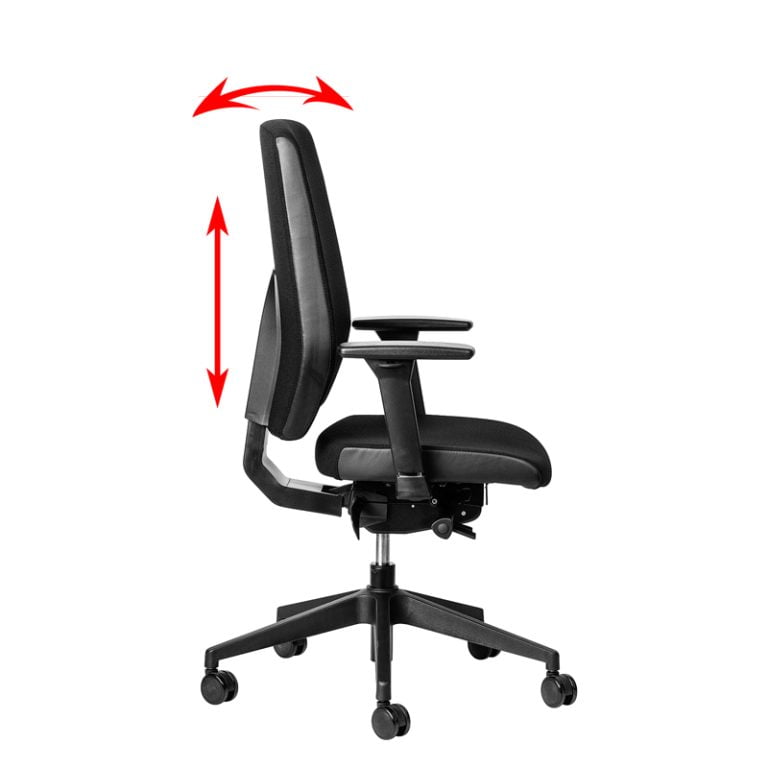
d. Chairs with a height adjustable backrest and an independently adjustable lumbar support
Here the chair backrest and lumbar support can be adjusted VERTICALLY and INDEPENDTLY from one another.
An office chair with a height adjustable backrest is particularly beneficial for a taller person as it provides support for the upper back and shoulders.
For optimal comfort, the separate lumbar support on these office chairs can be adjusted to "fine-tune" the back support settings. This combination is available on the OrthoAir Orthopedic Chair.
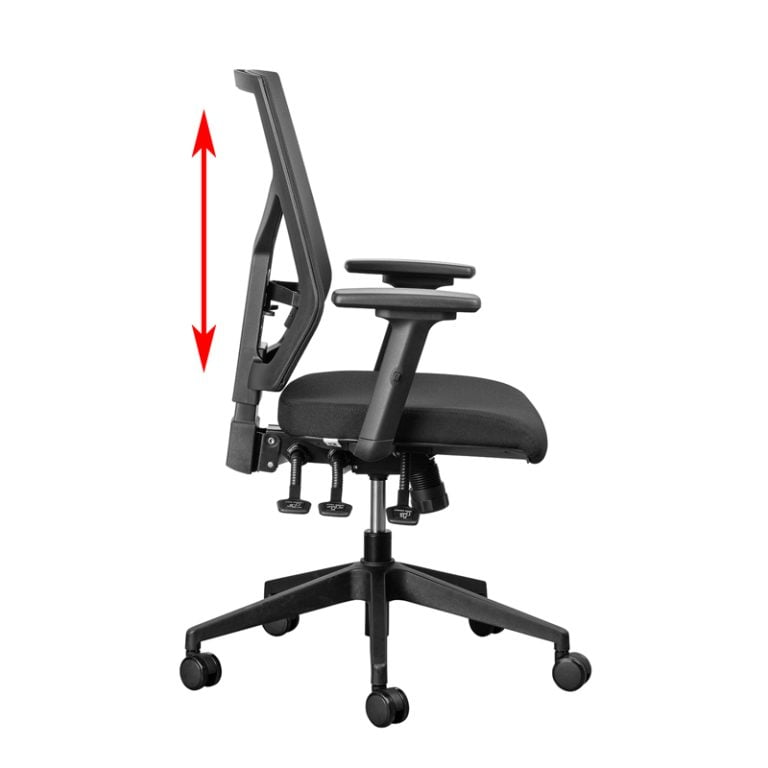
e. Office chair with a height adjustable back and inflatable lumbar support
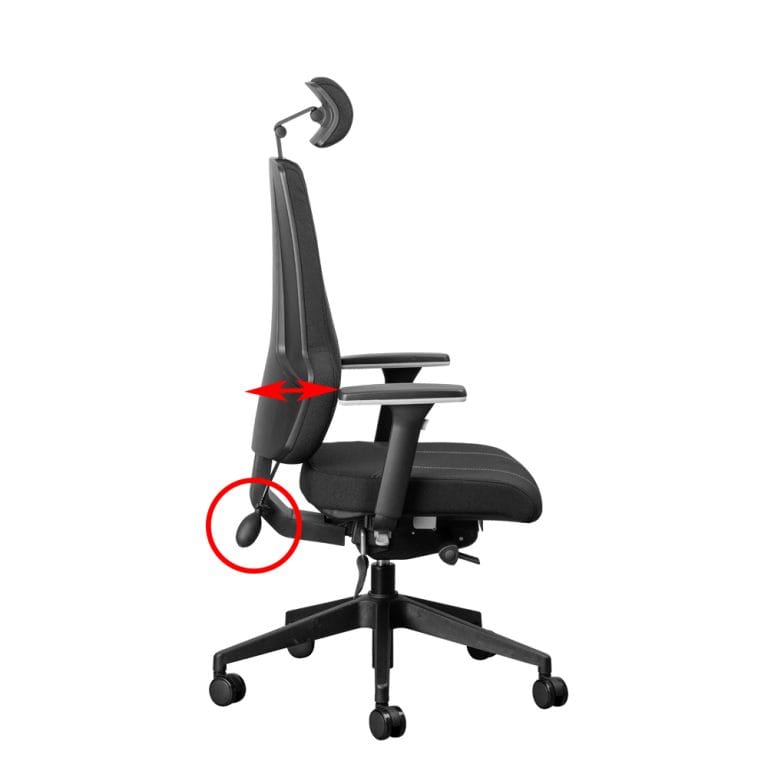
Designed for top-of-the-range back support, the built-in pneumatic lumbar cushion on these office chairs has an internal bladder that can be inflated via a simple hand pump.
In this way, both the POSITION and FIRMNESS of the back support can be adjusted to an optimum level.
In South Africa, this superior back support is available on the OrthoMax Orthopedic office chair.
How to Correctly Adjust The Lumbar Support On Your Office Chair
Step 1: Adjust Seat Height
First and foremost, adjust the seat height to achieve a healthy sitting position. Now, and only now, adjust the lumbar support.
Step 2: Sit Fully Back in the Chair
Move your hips to the back of the seat and allow the backrest to support your spine.
Step 3: Adjust Lumbar Height
Raise or lower the support so it sits comfortably in the curve of your lower back.
Step 4: Fine-Tune the Depth
Increase or decrease the pressure until the support feels comfortable and natural.
Watch the short video
Learn how to correctly adjust the height of your office chair, desk and computer monitor.
Frequently Asked Questions (FAQ's)
a. Can lumbar support help with back pain?
Proper lumbar support can help reduce strain on the lower back and improve posture, which may help alleviate discomfort caused by prolonged sitting. If you have ongoing or severe pain, consult a healthcare professional.
b. Where should lumbar support sit?
Lumbar support should fit comfortably into the natural inward curve of your lower back, just above your belt line.
c. Is adjustable lumbar support worth it?
Yes. An office chair with an adjustable back support accommodates different body shapes and sitting preferences, making it more comfortable and effective.
d. Can lumbar support be too aggressive?
Yes. Excessive pressure can force the spine into an unnatural position and create discomfort. The support should feel natural and supportive.
e. What is the best type of lumbar support?
The best option is the one that can be adjusted to suit your body. Height-adjustable, depth-adjustable and inflatable systems generally provide the greatest flexibility.
Remember: When it comes to office chairs, there is no "one-size-fits-all", so test various models until you find the one that best suits your body shape.
Conclusion
If you spend most of your working day seated, choosing a chair with adjustable lumbar support is one of the most important investments you can make in your comfort, posture and long-term wellbeing. A properly adjusted chair helps you stay focused, productive and comfortable throughout the day. The Latest Trends in selecting a Comfortable Office Chair.
A chair with adjustable lumbar support should not be an option or a consideration.
It should be a “must have”.
Protect your back with an office chair that provides superior back support
By the same author:

Why a fully adjustable office chair is important
We are all different, so when you buy a new office chair, look for one that has all the adjustability features.
What are the health benefits of a document holder?
One of the best ergonomic accessories you can get is a document holder.

Unveiling the True Cost of Ergonomic Office Chairs: Are they Worth the Investment?
Although the upfront cost of ergonomic office chairs may seem high, over their lifespan they are a low-cost and smart investment.